
TENS Therapy: How It Relieves Pain and What You Need to Know
When you're dealing with chronic pain, you don't always want another pill. That's where TENS therapy, a non-drug pain relief method that uses low-voltage electrical currents to block pain signals. Also known as transcutaneous electrical nerve stimulation, it's been used in clinics and homes for decades to help people manage everything from back pain to arthritis without opioids or surgery. Unlike painkillers that change how your body feels, TENS works by interrupting the pain signals before they reach your brain. It’s not magic—it’s science. And it’s been studied in real patients, not just lab settings.
TENS therapy doesn’t cure the source of your pain, but it can make daily life bearable. It’s often used alongside physical therapy, especially for conditions like osteoarthritis, lower back pain, or muscle strains. The device itself is small, battery-powered, and attaches to your skin with sticky pads. You adjust the intensity until you feel a tingling or buzzing sensation—never pain. Many users report feeling relief within minutes, and some find they can cut back on NSAIDs or avoid injections entirely. It’s not for everyone: people with pacemakers, pregnant women (especially on the abdomen), or those with epilepsy should check with a doctor first. But for millions, it’s a simple tool that gives back control.
What makes TENS stand out is how it connects to other pain management strategies. For example, it pairs well with physical therapy, a proven approach to improving mobility and reducing joint pain through targeted exercises. If you’re doing range-of-motion drills for arthritis, TENS can ease the discomfort enough to actually complete them. It also fits into the broader shift away from opioids—non-opioid pain relief, a growing focus in modern medicine due to addiction risks and limited long-term effectiveness. Studies show TENS can be as effective as over-the-counter pain meds for some types of nerve or muscle pain, without the stomach or kidney risks of ibuprofen or naproxen.
And it’s not just for older adults. Athletes use it for recovery. Office workers use it for neck strain. Even people with fibromyalgia or diabetic neuropathy report better sleep and less reliance on meds after trying it. The key is consistency. You don’t just zap it once and call it done. Most people use it daily for 20–30 minutes, often while watching TV or relaxing. The devices are affordable, portable, and available without a prescription in most places.
Below, you’ll find real-world stories, clinical insights, and comparisons that show exactly how TENS fits into modern pain care—from how it stacks up against other treatments to who gets the most out of it. Whether you’re curious, skeptical, or already using it, these posts cut through the noise and give you what actually works.
7
Dec
2025
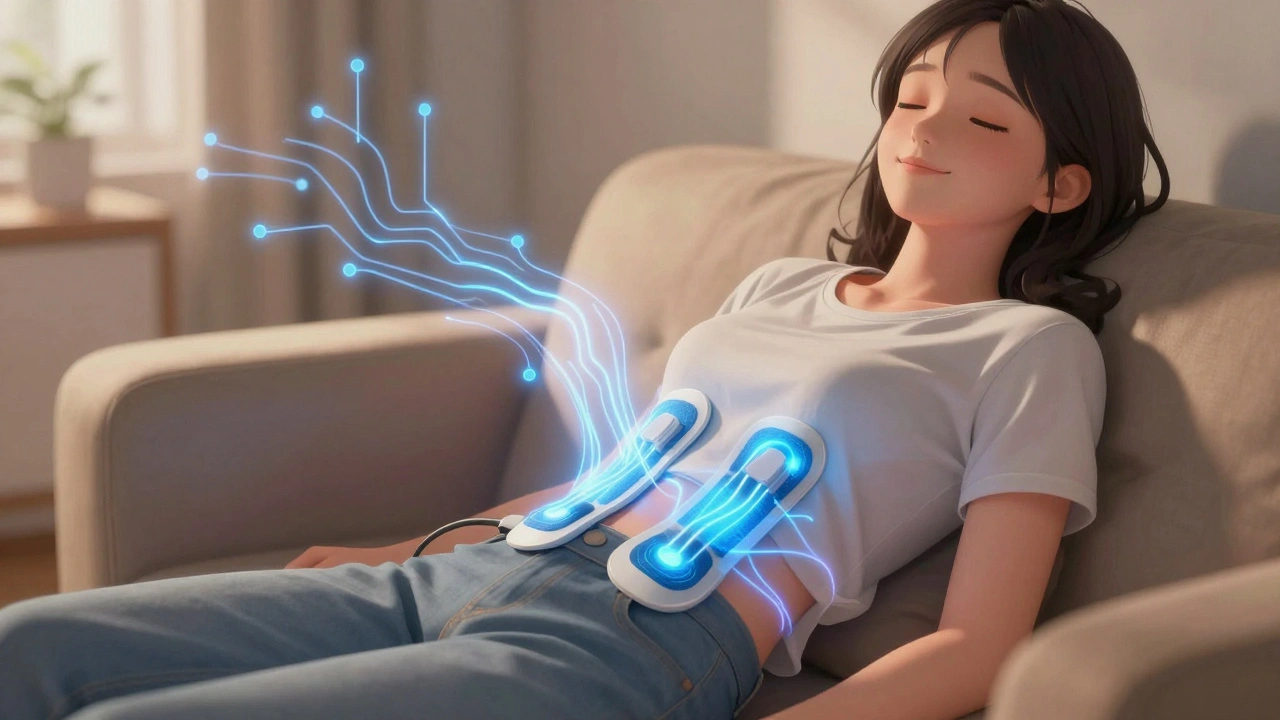
TENS Therapy for Pain Relief: How Transcutaneous Electrical Nerve Stimulation Works
TENS therapy uses mild electrical pulses to block pain signals and trigger natural painkillers. Learn how it works, which conditions it helps, how to use it safely, and what new tech is making it more effective in 2025.
© 2026. All rights reserved.