
Personalized Medicine: Tailored Treatments for Better Health Outcomes
When you hear personalized medicine, a healthcare approach that customizes treatment based on an individual’s genes, lifestyle, and response to drugs. Also known as precision medicine, it’s no longer science fiction — it’s happening in doctor’s offices right now, especially for men managing chronic conditions or complex drug regimens. Instead of giving everyone the same statin or antidepressant, doctors are starting to ask: Which version works for YOU? This shift isn’t just about genetics. It’s about how your body handles drugs over time, what side effects you’re likely to get, and whether a cheaper generic will actually work for you — not just the person next door.
Take medication adherence, how consistently a patient takes their prescribed drugs. One in three men stop taking their meds because of side effects — not because they don’t care, but because the pill didn’t fit their life. That’s where digital adherence tools, smart pillboxes, SMS reminders, and pharmacy dashboards that track whether you’re taking your meds come in. They’re not fancy apps — they’re simple fixes that boost compliance from 53% to over 90%, especially for older men on multiple drugs. Meanwhile, drug interactions, dangerous combinations that happen when two or more medications react in the body are quietly making things worse. Mixing benzodiazepines with opioids? That’s a known killer. NSAIDs raising blood pressure without warning? That’s how silent damage starts. Personalized medicine doesn’t just pick the right drug — it picks the right combination, and avoids the deadly ones.
And then there’s pharmacovigilance, the science of detecting, assessing, and preventing adverse drug effects. It’s no longer just about clinical trials. Machine learning now scans real-world data to catch hidden risks before they go viral — like spotting that SSRIs in older men raise fall risk, or that statins hit women harder than men. These aren’t theoretical concerns. They’re daily realities for men managing osteoporosis, migraines, or prostate cancer with hormone therapy. Personalized medicine means your treatment plan isn’t written in a textbook — it’s built from your history, your reactions, your risks. Below, you’ll find real guides on how to spot dangerous drug buildup, why flavoring kids’ meds works, how to avoid fake pills online, and what to do when your pain meds stop working. This isn’t theory. It’s what works — for you, right now.
4
Dec
2025
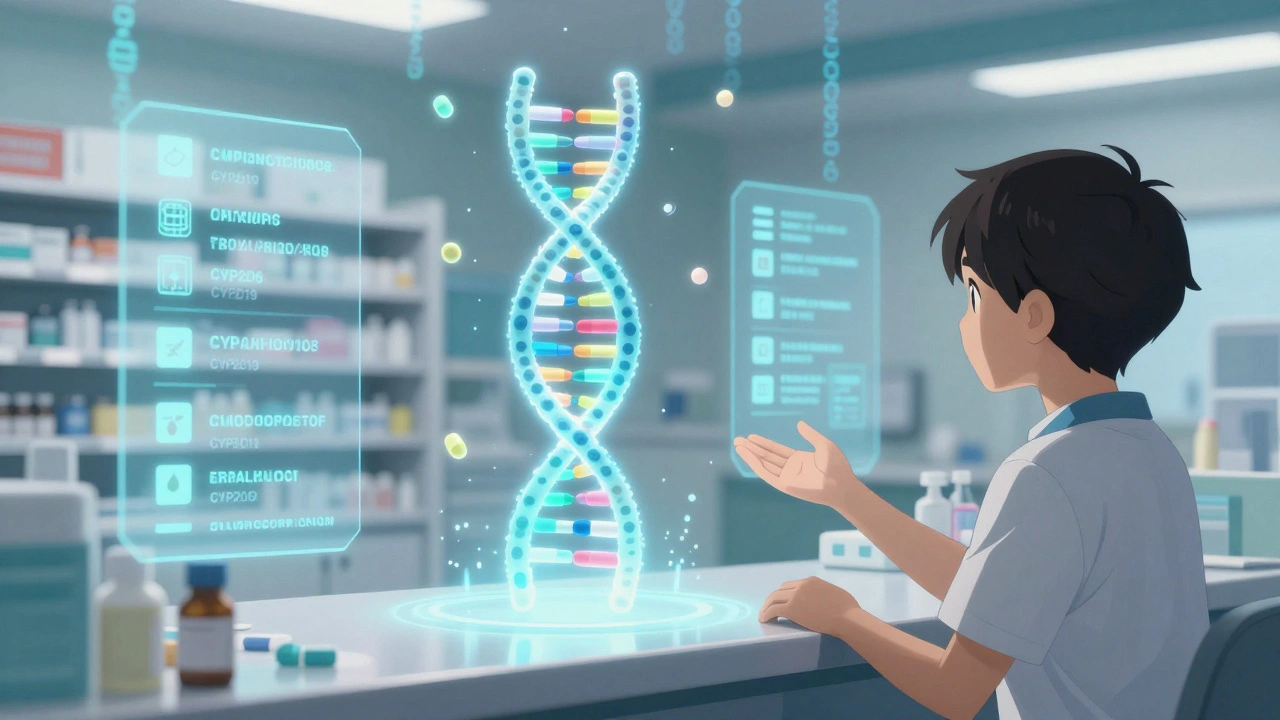
AI and Pharmacogenomics: How Personalized Drug Recommendations Are Changing Online Pharmacies
AI and pharmacogenomics are making online pharmacies smarter by matching your genes to the right generic drugs. Learn how this tech prevents dangerous side effects and why you should ask your pharmacy if it uses genetic data.
26
Nov
2025

Genetic Testing for Drug Metabolism: Should You Get Tested?
Pharmacogenetic testing reveals how your genes affect drug metabolism, helping avoid dangerous side effects and ineffective treatments. Learn who benefits most, which drugs are affected, and whether testing is worth it.
© 2026. All rights reserved.