
Drug Interactions: What You Need to Know About Medication Risks
When you take more than one medication, your body doesn’t always handle them the way you expect. This is where drug interactions, when two or more drugs affect each other’s behavior in your body. Also known as medication interactions, they can make a drug stronger, weaker, or cause unexpected side effects—even if both are prescribed by your doctor. It’s not just about pills. Supplements, herbal teas, even grapefruit juice can change how your meds work. A simple mix like ibuprofen and blood pressure medicine might spike your kidney risk. Or taking an SSRI with a migraine drug could trigger serotonin syndrome—a rare but dangerous condition. These aren’t edge cases. They happen every day, often because no one asked the full story about what you’re taking.
Drug interactions don’t care if you’re young or old, healthy or managing chronic illness. Older adults on SSRIs might develop hyponatremia when combined with diuretics. Men on medroxyprogesterone could face worse fatigue if they also take certain painkillers. Even something as common as meloxicam, a standard NSAID for arthritis, can clash with blood thinners or diabetes meds. And it’s not just prescription drugs. Fake Ozempic sold online might contain unknown chemicals that react badly with your real meds. Or a child’s flavored syrup might mix dangerously with their asthma inhaler. The problem isn’t always the drugs themselves—it’s the lack of a full picture. Pharmacists see this daily. But most patients never think to mention their turmeric supplement or their weekend ibuprofen habit.
Machine learning is now helping detect hidden interactions before they hurt people. But that tech won’t help you if you don’t tell your doctor you’re taking folic acid instead of methylfolate because you read it online. Or if you skip your statin because your muscles ache, then start taking a new OTC pain reliever without asking. Drug interactions are silent. They don’t scream. They just slowly make you sicker, more tired, or send you to the ER. The good news? You can stop them. Keep a list of everything you take—pills, patches, vitamins, even CBD gummies. Bring it to every appointment. Ask your pharmacist: "Could this mix with anything else I’m on?" It’s not paranoia. It’s basic safety. Below, you’ll find real stories from people who’ve been there—from counterfeit drugs in developing nations to how flavoring kids’ meds changes adherence. These aren’t theory pieces. They’re lived experiences that show exactly how drug interactions play out in the real world—and how to protect yourself.
30
Jan
2026
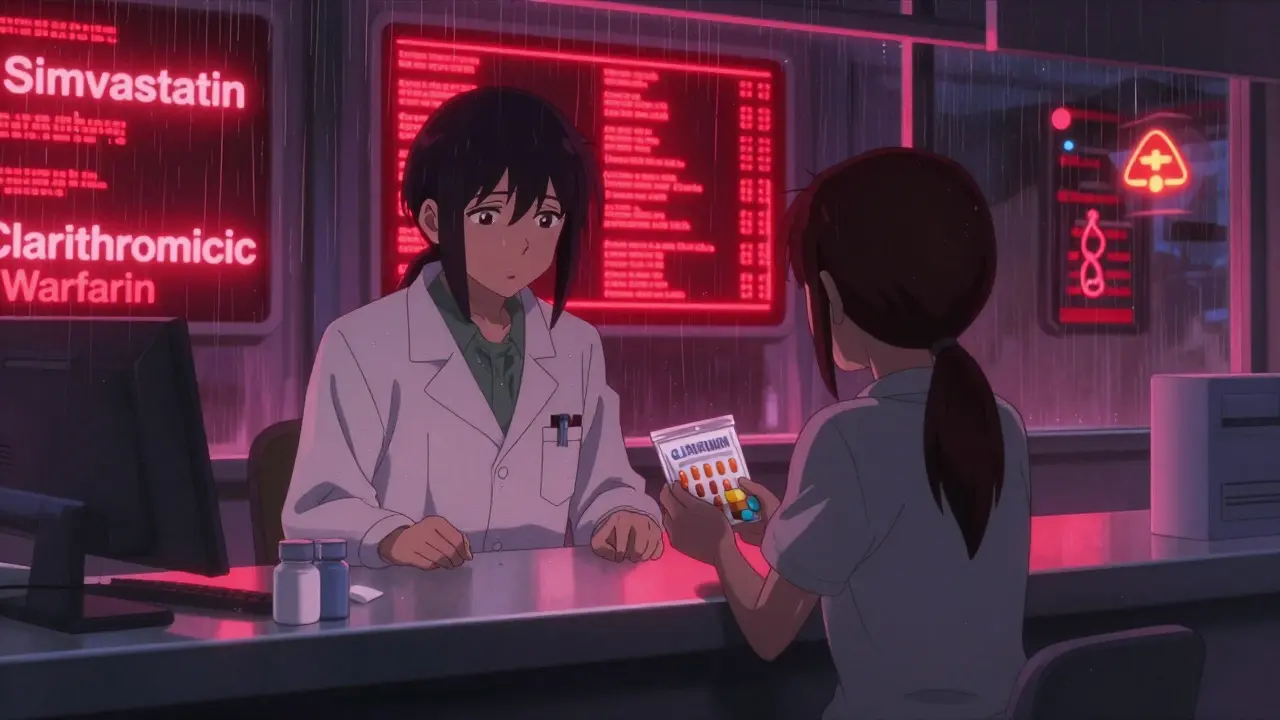
Red Flags in Drug Interactions: Combinations Your Pharmacist Should Question
Dangerous drug interactions kill thousands each year - often because pharmacies miss warning signs. Learn the top deadly combos your pharmacist should question and how to protect yourself.
17
Jan
2026
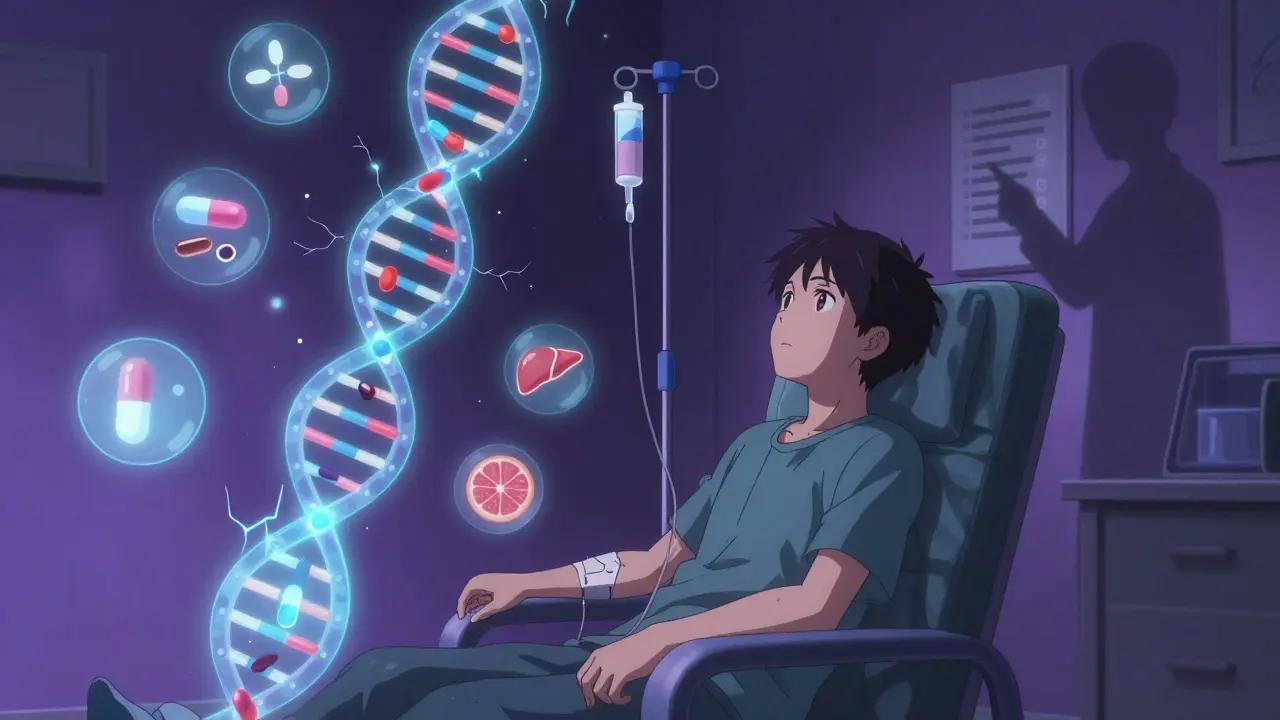
Chemotherapy and Drug Interactions in Cancer Patients: What You Need to Know
Chemotherapy remains a key cancer treatment, but drug interactions can be dangerous. Learn which medications, supplements, and even foods can interfere with chemo-and how to stay safe during treatment.
25
Nov
2025

Anxiety Medications: Benzodiazepines and the Real Risks of Mixing Them with Other Drugs
Benzodiazepines like Xanax and Valium offer fast anxiety relief but carry serious risks when mixed with opioids, alcohol, or other sedatives. Learn the real dangers, safer alternatives, and how to use them responsibly.
© 2026. All rights reserved.