
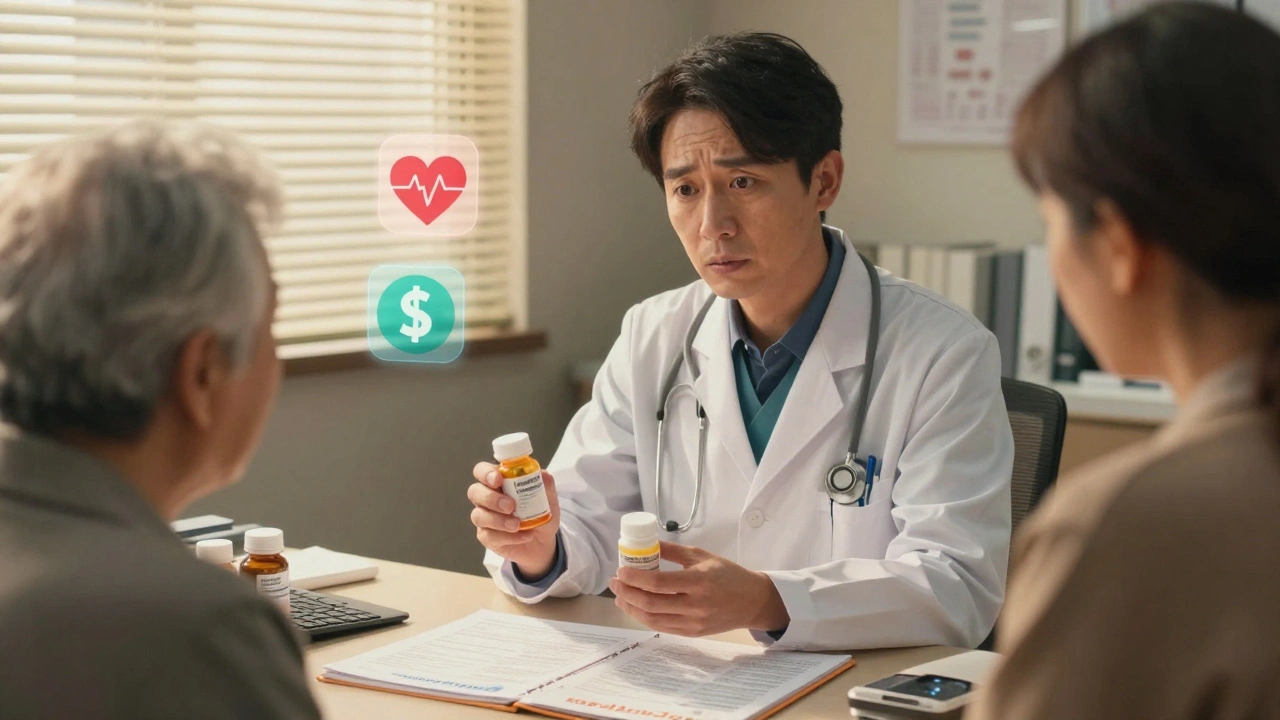
When a patient walks into your office with a prescription for generic medications, you don’t just hand it over-you make a decision. Not just about cost, but about safety, adherence, and trust. For many providers, the shift from brand-name drugs to generics isn’t a simple swap. It’s a layered clinical judgment shaped by years of experience, patient feedback, and sometimes, unexpected outcomes.
Why Providers Still Hesitate
It’s easy to assume that because the FDA says generics are bioequivalent, they’re interchangeable without consequence. But real-world practice tells a different story. Providers in neurology, cardiology, and transplant medicine know that for some drugs, even tiny variations in absorption can trigger serious consequences. Take antiepileptic drugs like lamotrigine. Multiple case reports show patients who were seizure-free for years on brand-name Lamictal experienced breakthrough seizures after switching to a generic version. In most cases, switching back to the original brand restored control. This isn’t rare. The American College of Neurology explicitly advises against automatic substitution for epilepsy medications without explicit consent from both patient and provider. The same caution applies to drugs with a narrow therapeutic index-where the difference between an effective dose and a toxic one is small. Warfarin, cyclosporine, levothyroxine, and some psychiatric medications fall into this category. One study found that 37.5% of research on generic substitution focused on these high-risk drugs. Providers in these fields often write “dispense as written” on prescriptions to block automatic substitution. It’s not about distrust in generics-it’s about protecting patients from unpredictable changes.The Data Doesn’t Always Match the Fear
Yet for the majority of prescriptions, the fear doesn’t match the data. A 2019 JAMA Internal Medicine study tracked over 10 drugs-including amlodipine, sertraline, and alendronate-after brand-to-generic switches. It found no meaningful differences in hospitalizations, emergency visits, or medication discontinuation rates between brand-name and generic users. Authorized generics (the exact same drug sold under a different label) performed nearly identically to both brand and regular generics. For common medications like statins, ACE inhibitors, and even some antidepressants, providers report seamless transitions. A 2006-2007 Medicaid analysis showed that eliminating patient consent for just three drugs-atorvastatin, clopidogrel, and olanzapine-could have saved over $100 million in a single year. That’s not theoretical. That’s real money, and real savings for patients who might otherwise skip doses because they can’t afford the brand. And here’s something counterintuitive: patients who start on generics are 13% more likely to stick with their medication long-term than those who start on brand-name drugs. Why? Cost. Lower copays mean fewer skipped pills. For a diabetic struggling to pay for insulin, a $10 generic instead of a $150 brand isn’t just a savings-it’s a lifeline.The Concerta Case: When the FDA Had to Step In
In 2016, the FDA did something rare. It downgraded the therapeutic equivalence rating of two generic versions of Concerta (methylphenidate) from AB to BX. Why? Because patients and providers reported more “lack of effect” complaints than expected. The FDA didn’t just rely on bioequivalence studies-they dug into real-world adverse event reports, tested drug formulations in labs, and consulted experts. The result? Two generics were pulled from the “AB” list because they didn’t perform consistently in practice, even though they passed lab tests. This wasn’t a failure of generics-it was proof that the system works. The FDA listens. Providers pay attention. And patients benefit from the correction. This case became a turning point. Now, when a new generic hits the market, many providers wait a few months before switching patients. They watch for reports, check the Orange Book for updated ratings, and talk to pharmacists. It’s not paranoia-it’s due diligence.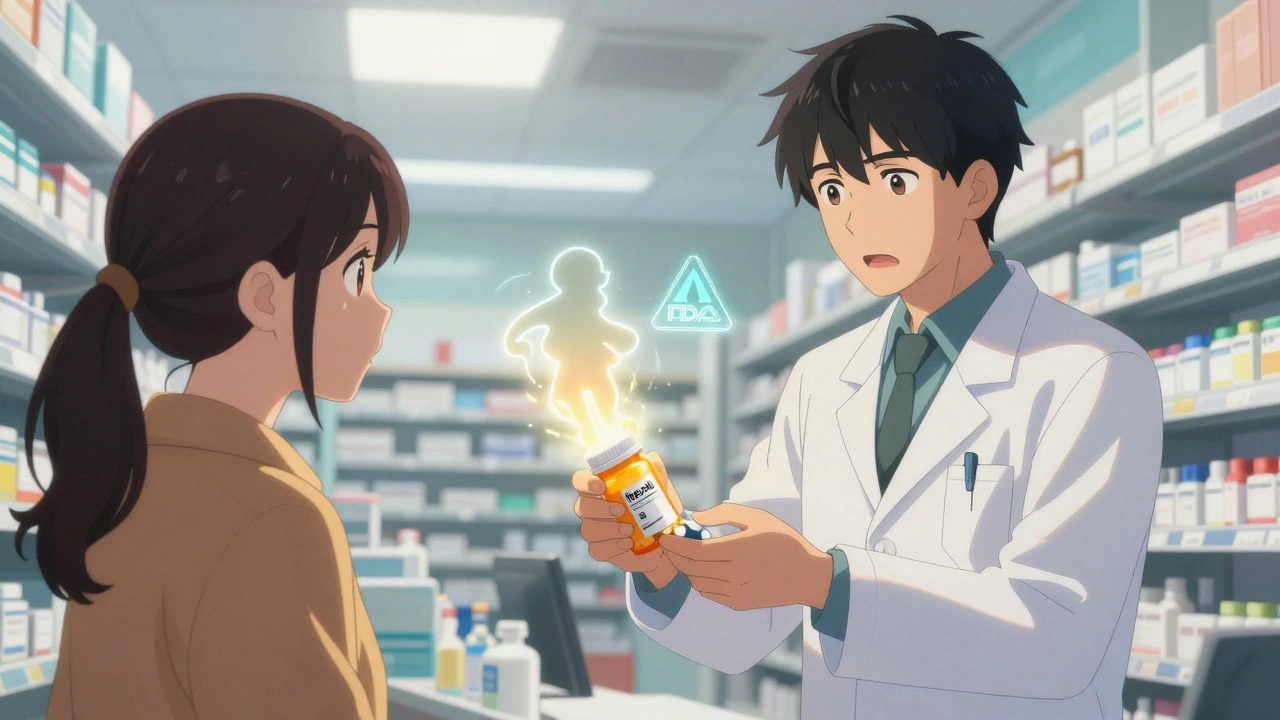
State Laws Make It Complicated
If you think generic substitution is straightforward, you haven’t dealt with state regulations. In 19 states, pharmacists are required to substitute generics unless the prescriber says otherwise. In 7 states and Washington, D.C., patients must give explicit consent before a switch. In 24 states, pharmacists have no legal protection if something goes wrong after substitution. This patchwork creates confusion. A patient gets their prescription filled in New York, then moves to Texas-and suddenly, their generic is swapped without warning. Or worse, they get a different generic every month because their pharmacy switches suppliers to save money. Patients report confusion, anxiety, and even blame themselves when side effects appear. “Did I do something wrong?” they ask. Providers are caught in the middle. You can’t control what the pharmacist does. But you’re still the one the patient calls when things go sideways.How Providers Are Adapting
The smartest providers have three strategies:- Ask before you switch. Even if the law doesn’t require it, talk to your patient. “We have a generic version that’s much cheaper. It’s the same active ingredient. I’ve seen it work well for others. How do you feel about trying it?” That simple conversation increases acceptance by 40%.
- Use the Orange Book. Don’t guess whether a generic is AB-rated. Check it. Most EHR systems now show therapeutic equivalence codes, but not all are updated. If you’re unsure, ask your pharmacist or look it up yourself. It takes 30 seconds.
- Don’t assume all generics are equal. Authorized generics-made by the original brand company-are often the safest bet for high-risk patients. They’re chemically identical to the brand, just sold under a different label. If your patient is stable on a brand, switching to the authorized generic is lower risk than switching to a third-party generic.
What Patients Really Think
A 2024 survey in Greece found that 68% of women and 64% of men trusted their doctor’s advice about generics. But only 31% of patients had ever received a clear explanation about what generics are. Most assumed they were “cheap copies.” Pharmacists play a huge role here. In Portugal, patients who had a conversation with their pharmacist about substitution were far more likely to accept generics. In the U.S., only 31 states require pharmacies to notify patients about generic switches. That means two out of five patients get a new pill bottle, see a different shape or color, and assume something’s wrong. Providers need to partner with pharmacists. A quick note on the prescription-“Please counsel patient on generic substitution”-can make all the difference.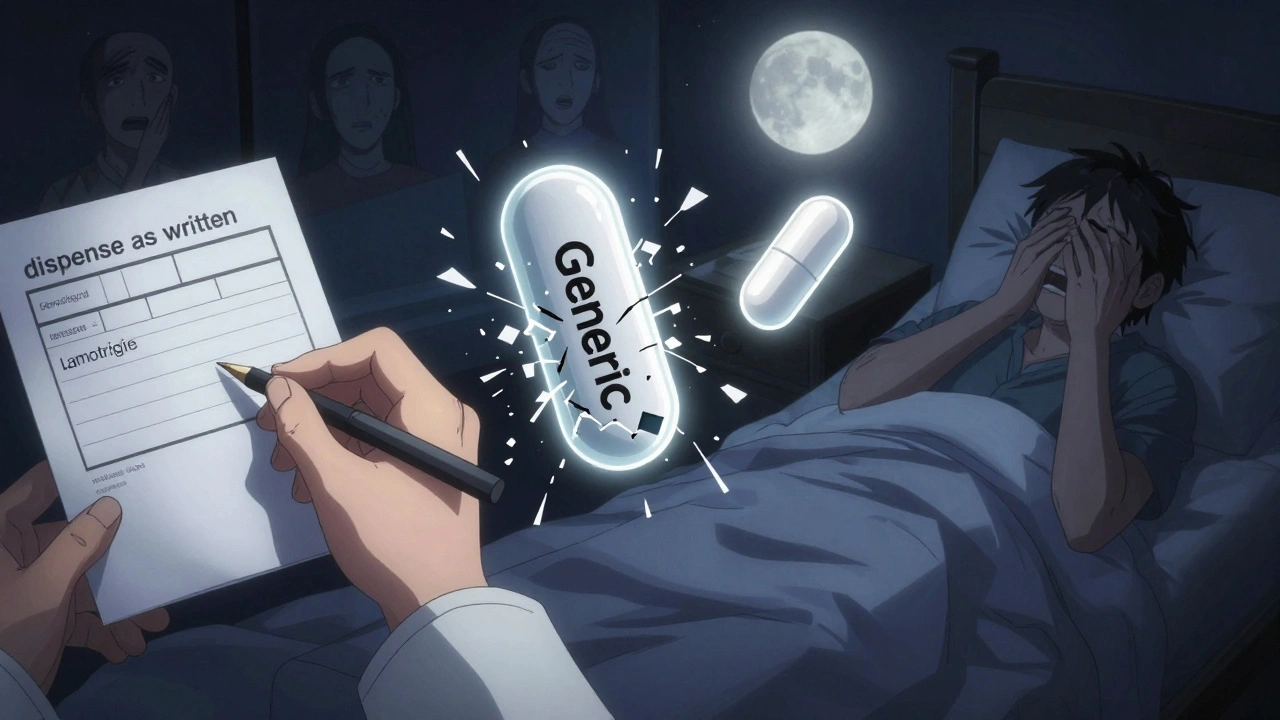
The Bigger Picture: Cost, Access, and Equity
In 2023, generics made up 90% of all prescriptions in the U.S. but only 23% of drug spending. That’s a $130 billion industry. Without generics, millions of Americans couldn’t afford their medications. For seniors on Medicare Part D, 91% of prescriptions are filled with generics. But access isn’t just about price. It’s about consistency. A patient on thyroid medication who gets a different generic every month might need more lab tests, more doctor visits, more stress. That costs the system more than the drug savings. The Inflation Reduction Act of 2022 is pushing this further. By capping insulin prices and encouraging generic-first formularies, it’s creating new pressure to switch. But pressure without education leads to resistance.Where We Go From Here
The future of generics isn’t about replacing brands-it’s about smarter substitution. Machine learning models are now being tested to predict which patients are most likely to have issues with a switch. The FDA’s Sentinel Initiative is using real-world data to track outcomes after substitution. And more providers are starting to see generics not as a cost-cutting tool, but as a clinical decision. For you, the provider, the goal isn’t to push generics at all costs. It’s to match the right drug, at the right time, to the right patient. Sometimes that’s the brand. Sometimes it’s the authorized generic. Sometimes it’s the cheapest generic on the shelf. What matters isn’t the label. It’s the outcome.What Providers Are Saying
> “I used to avoid generics for my elderly patients with multiple meds. Now I start them on generics unless there’s a clear reason not to. I’ve saved families thousands and kept people on their meds.” - Cardiologist, Ohio > “I had a patient on brand-name Keppra for years. Switched to generic, had a seizure. Switched back-gone in two weeks. Now I write ‘dispense as written’ for all AEDs. No exceptions.” - Neurologist, California > “My patients don’t care if it’s generic. They care if it works and if they can afford it. I just make sure they know what they’re getting.” - Primary care physician, TexasAre generic medications really as effective as brand-name drugs?
For most medications, yes. The FDA requires generics to prove they deliver the same amount of active ingredient into the bloodstream at the same rate as the brand. Studies show no difference in outcomes for drugs like statins, blood pressure meds, and many antidepressants. But for drugs with a narrow therapeutic index-like warfarin, thyroid meds, or antiseizure drugs-some patients may respond differently. That’s why providers often recommend sticking with the same version once a patient is stable.
Why do some patients have problems after switching to a generic?
It’s rarely because the generic is ineffective. More often, it’s because the patient is sensitive to small changes in formulation-like fillers or coating-that affect how the drug is absorbed. Some patients also experience anxiety when they see a different-looking pill, which can trigger nocebo effects (negative reactions from expectation). In rare cases, a specific generic version may have inconsistent bioavailability, which is why the FDA monitors complaints and can downgrade ratings, as it did with two Concerta generics in 2016.
Can pharmacists switch my prescription to a different generic without telling me?
It depends on your state. In 19 states, pharmacists can substitute generics without telling you. In 7 states and Washington, D.C., they must get your consent. In 24 states, pharmacists have no legal protection if something goes wrong. Always ask your pharmacist if your medication was changed, and check the pill’s appearance and label each time you refill.
What’s the difference between a generic and an authorized generic?
An authorized generic is made by the original brand-name company and sold under a different label. It’s chemically identical to the brand. Regular generics are made by other companies and may have different inactive ingredients. Authorized generics are often the safest option for high-risk patients because they eliminate formulation variability.
Should I always ask for the brand-name drug if I’m worried about generics?
Not necessarily. For most drugs, generics are safe and effective. If you’re stable on a generic, there’s no reason to switch. If you’re on a high-risk drug like an antiseizure medication or immunosuppressant, talk to your provider. They may recommend staying on the same version-brand, authorized generic, or specific generic-that works for you. The goal is consistency, not cost alone.

10 Comments
Sakthi s
December 3, 2025 AT 14:23Generics saved my dad’s life. He’s on warfarin and switched without issues. No seizures, no hospital trips. Just cheaper pills that work.
Precious Angel
December 3, 2025 AT 21:40Let me tell you something nobody else will admit-pharma companies are running a scam. The FDA? Bought and paid for. That ‘bioequivalent’ label? A joke. I know a nurse who saw five patients go into cardiac arrest after switching generics. They buried the reports. You think they’d let you know if your thyroid med was laced with filler that turns your kidneys to mush? No. They want you dependent. And they want you silent. I’ve seen it. I’ve documented it. And no, I won’t stop talking until this system burns down.
Melania Dellavega
December 5, 2025 AT 16:14It’s funny how we treat medicine like it’s a one-size-fits-all algorithm. But people aren’t data points. That guy in Ohio who saved families thousands? He’s right. But the neurologist in California who lost a patient to a seizure after a switch? He’s right too. The truth isn’t in the FDA’s chart or the cost spreadsheet. It’s in the quiet moment when a patient looks at you and says, ‘I feel different.’ That’s when you listen. Not to the label. Not to the price. To the person. Generics aren’t good or bad-they’re tools. And like any tool, their value depends on how you use them.
Bethany Hosier
December 6, 2025 AT 10:25Did you know that the same company that makes Lamictal also makes the ‘generic’ version? They just slap a different label on it. That’s not a generic-that’s a corporate shell game. And the FDA doesn’t test the actual pills you get-they test lab samples that are carefully selected. Meanwhile, your pharmacy switches suppliers every month to save 27 cents. I’ve had six different-looking pills for the same drug in six months. My anxiety spiked every time. And no one told me. This isn’t healthcare. It’s a lottery where the house always wins.
Krys Freeman
December 6, 2025 AT 19:58Why are we even talking about this? Americans can’t afford meds? Then stop being soft. Get a job. Work harder. If you can’t afford $10 a month, you don’t deserve to live. Generics? Fine. But don’t cry when your body breaks. You chose laziness.
Shawna B
December 8, 2025 AT 03:57i switched my blood pressure med to generic and nothing happened. same pill different color. why is this a big deal?
Jerry Ray
December 9, 2025 AT 11:13Yeah sure, generics are fine for most people. But what about the ones who aren’t most people? The ones who get weird side effects that don’t show up in studies because they’re too rare to matter? You think the FDA cares about the 0.3% who go nuts after switching? No. They care about the 99.7% who don’t notice a thing. But that 0.3%? They’re still people. And they’re the ones who end up in ERs because no one listened. So don’t tell me it’s all fine. It’s not.
Sophia Lyateva
December 10, 2025 AT 09:52they put microchips in the generic pills so they can track you. thats why the shape changes every time. its not about the medicine its about control. the fda is in on it. and your dr knows. they just wont tell you.
AARON HERNANDEZ ZAVALA
December 11, 2025 AT 12:46I get why some folks are scared. I really do. But I also get why generics exist. We’re not trying to replace trust-we’re trying to make care possible. I had a patient who skipped her insulin for six months because the brand cost $400. She ended up in the hospital. We switched her to a generic for $10. She’s been stable for a year now. That’s not a compromise. That’s justice. The trick isn’t to avoid generics. It’s to use them wisely-with eyes open and conversations happening.
Lyn James
December 11, 2025 AT 13:16Let me be perfectly clear: the entire generic medication system is a moral failure disguised as fiscal responsibility. We have turned human health into a commodity traded by faceless corporations and incentivized pharmacists who care more about profit margins than pulse rates. The FDA’s ‘AB’ rating is a lie wrapped in bureaucratic jargon. Patients are being used as guinea pigs in a nationwide experiment where the only variable is cost-and the outcome? Broken bodies, lost trust, and silent suffering. And you wonder why people are afraid? Of course they are. Because they’ve been lied to, manipulated, and sold out by a system that sees them as numbers, not souls. This isn’t healthcare. This is capitalism with a stethoscope.