
Medication Safety and Management in 2025: Drug Side Effects, Adherence, and Counterfeit Risks
When it comes to your health, medication safety, the practice of using drugs correctly to avoid harm while achieving therapeutic benefits. Also known as drug safety, it’s not just about taking pills as directed—it’s about understanding what’s in them, who made them, and how your body reacts. In November 2025, the focus wasn’t on new miracle drugs, but on the quiet dangers hiding in plain sight: pills that raise blood pressure, generics that aren’t taken, and fake medicines killing people overseas—and right here at home.
Drug side effects, unwanted reactions caused by medications, even when used properly. Also known as adverse drug reactions, they’re the top reason people stop taking their prescriptions. Whether it’s NSAIDs causing stomach bleeds, SSRIs triggering falls in seniors, or medroxyprogesterone lowering testosterone in men, these aren’t rare oddities—they’re predictable risks that doctors often overlook. And when you mix benzodiazepines with opioids or alcohol, the danger isn’t theoretical. It’s deadly. Meanwhile, medication adherence, the degree to which a patient follows their prescribed treatment plan. Also known as compliance, it’s the silent gap between what’s prescribed and what’s actually taken. Digital tools, flavoring services for kids, and SMS reminders are finally closing that gap—not because they’re fancy, but because they work.
Then there’s the shadow economy of counterfeit drugs, fake or substandard medications that mimic real ones but contain dangerous or inactive ingredients. Also known as fake medicines, they’re not just a problem in developing nations—fentanyl-laced pills and counterfeit Ozempic are flooding U.S. online pharmacies. One in ten medicines in low-income countries is fake. Here, the problem is just as bad, but hidden behind slick websites and low prices. And while pharmacogenetic testing helps tailor drugs to your genes—like knowing if you’re a poor metabolizer of CYP2D6 drugs—most people still don’t get tested. Why? Because the system doesn’t push for it.
This collection isn’t about theory. It’s about what’s actually happening to men’s health right now. You’ll find real data on how bisphosphonates cut fracture risk by half, how machine learning spots dangerous drug reactions before they go viral, and how hospitals decide which drugs you get—and which ones they ban. You’ll see why U.S. drug prices are three times higher than elsewhere, and how a simple flavoring service boosted kid’s medication adherence from 53% to over 90%. These aren’t abstract ideas. They’re decisions you can make, questions you can ask your pharmacist, and red flags you can spot before it’s too late.
What follows are the most urgent, practical, and overlooked stories from November 2025—each one a piece of the puzzle you need to stay safe, informed, and in control of your own health.
29
Nov
2025
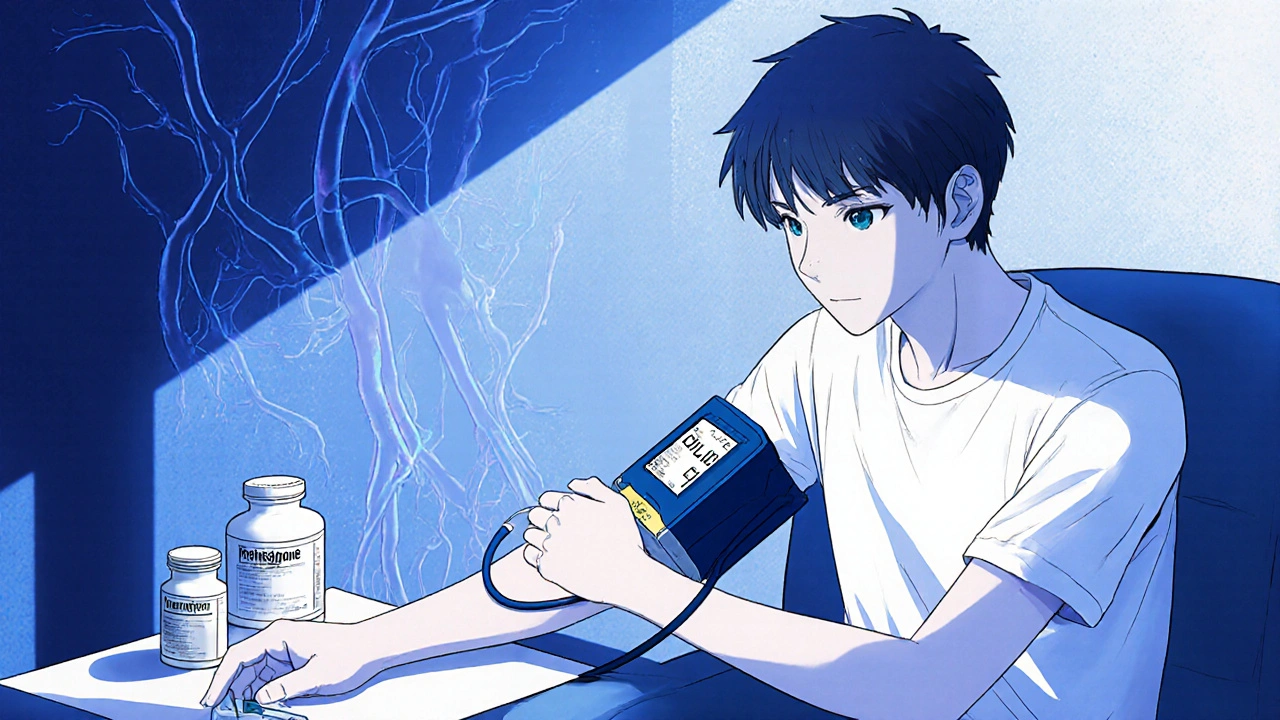
High Blood Pressure Caused by Certain Medications: How to Monitor and Manage It
Certain medications like NSAIDs, corticosteroids, and antidepressants can raise blood pressure silently. Learn how to spot the signs, monitor effectively, and manage it with safer alternatives and lifestyle changes.
28
Nov
2025
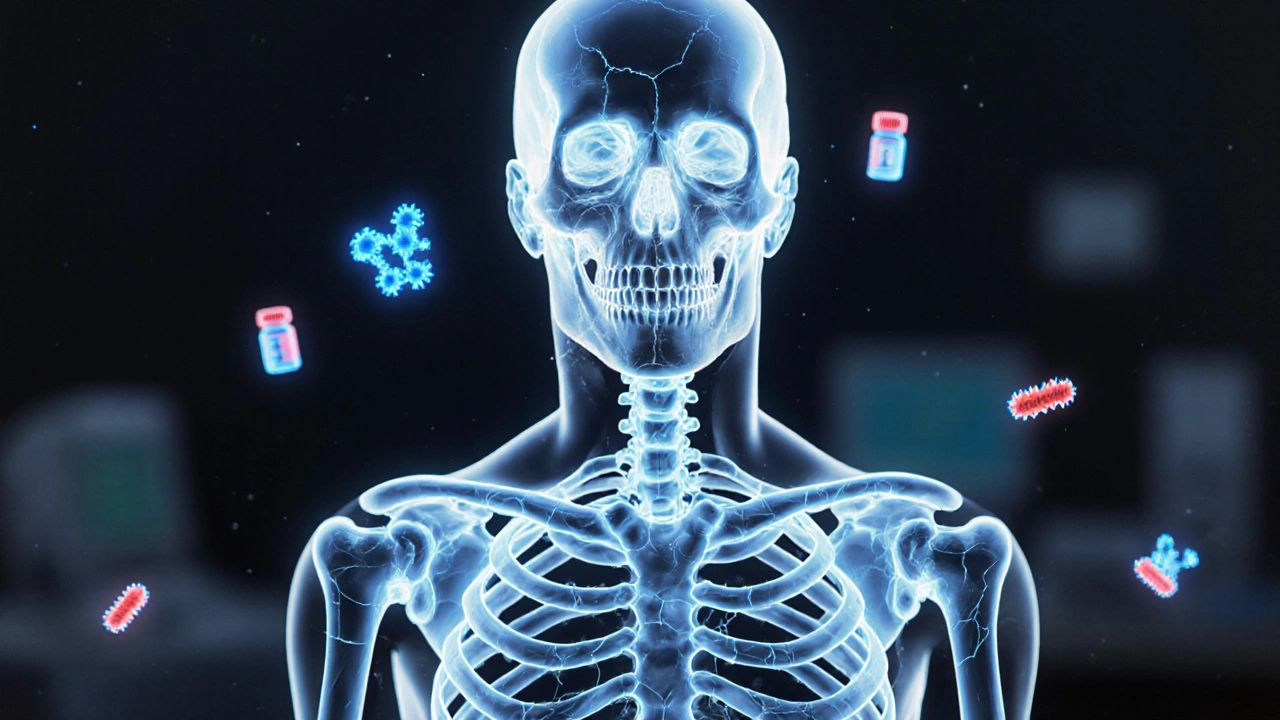
Osteoporosis and Bisphosphonate Therapy: What You Need to Know About Bone Density Loss and Treatment
Osteoporosis causes silent bone loss that leads to fractures. Bisphosphonate therapy slows bone breakdown, reduces fracture risk by up to 50%, and remains the first-line treatment for most patients. Learn how it works, who benefits, and what the risks are.
27
Nov
2025

Physical Therapy for Joint Disorders: Range of Motion and Strengthening Protocols
Physical therapy for joint disorders uses targeted range of motion and strengthening exercises to reduce pain, improve mobility, and delay surgery. Evidence shows it's more effective than medication alone and saves thousands in healthcare costs.
27
Nov
2025

Physical Therapy for Joint Disorders: Improve Range of Motion and Build Strength with Proven Protocols
Physical therapy for joint disorders uses proven range of motion and strengthening exercises to reduce pain, improve mobility, and delay or avoid surgery. Learn how science-backed protocols work and how to get started.
26
Nov
2025

Genetic Testing for Drug Metabolism: Should You Get Tested?
Pharmacogenetic testing reveals how your genes affect drug metabolism, helping avoid dangerous side effects and ineffective treatments. Learn who benefits most, which drugs are affected, and whether testing is worth it.
25
Nov
2025

Anxiety Medications: Benzodiazepines and the Real Risks of Mixing Them with Other Drugs
Benzodiazepines like Xanax and Valium offer fast anxiety relief but carry serious risks when mixed with opioids, alcohol, or other sedatives. Learn the real dangers, safer alternatives, and how to use them responsibly.
24
Nov
2025

CGRP Inhibitors: The New Standard for Migraine Prevention
CGRP inhibitors are the first migraine-specific preventive medications, offering significant relief for chronic and episodic migraine sufferers. Learn how they work, who benefits most, and what to expect in terms of results, cost, and side effects.
23
Nov
2025
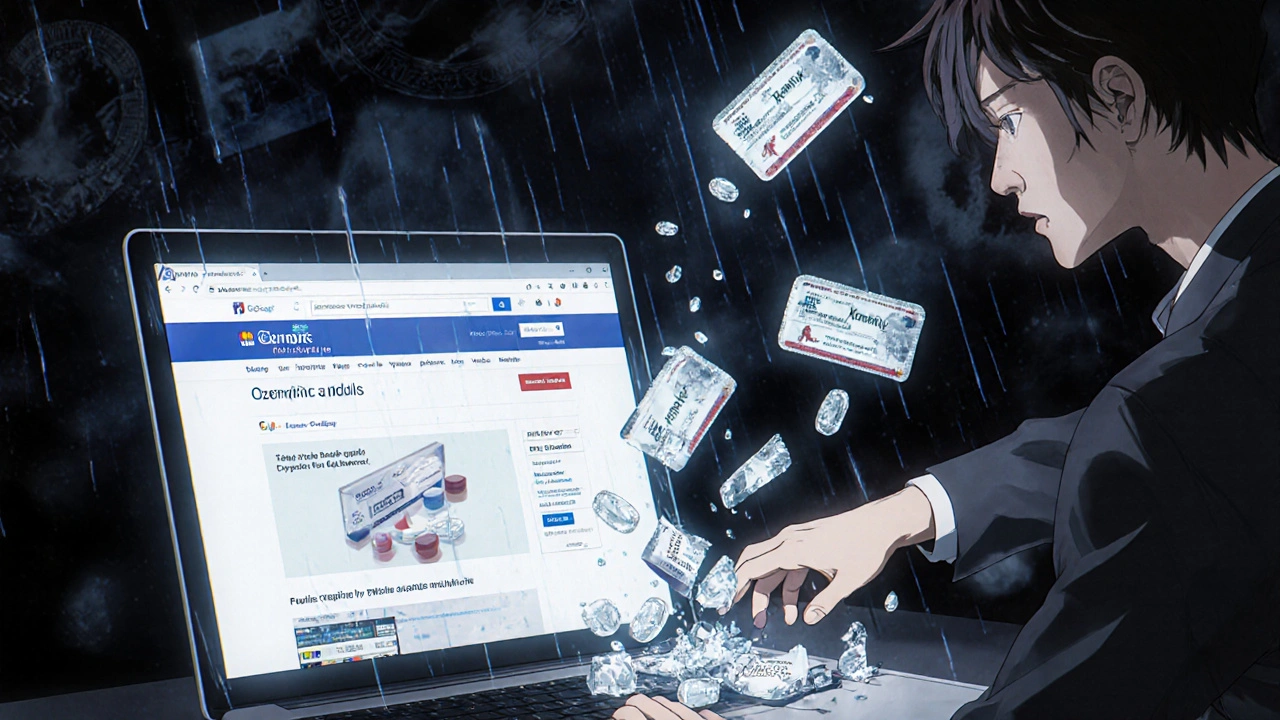
Online Pharmacy Counterfeits: The Hidden Dangers of Buying Medicines Online
Buying medicines online may seem convenient, but counterfeit drugs are a deadly threat. Fentanyl-laced pills, fake Ozempic, and unregulated Botox are putting lives at risk. Learn how to spot safe pharmacies and avoid deadly scams.
22
Nov
2025

How Flavoring Services Boost Pediatric Medication Adherence
Flavoring services transform bitter pediatric medications into kid-friendly tastes like grape and bubblegum, boosting adherence from 53% to over 90%. Learn how this simple pharmacy service reduces stress and improves health outcomes.
20
Nov
2025
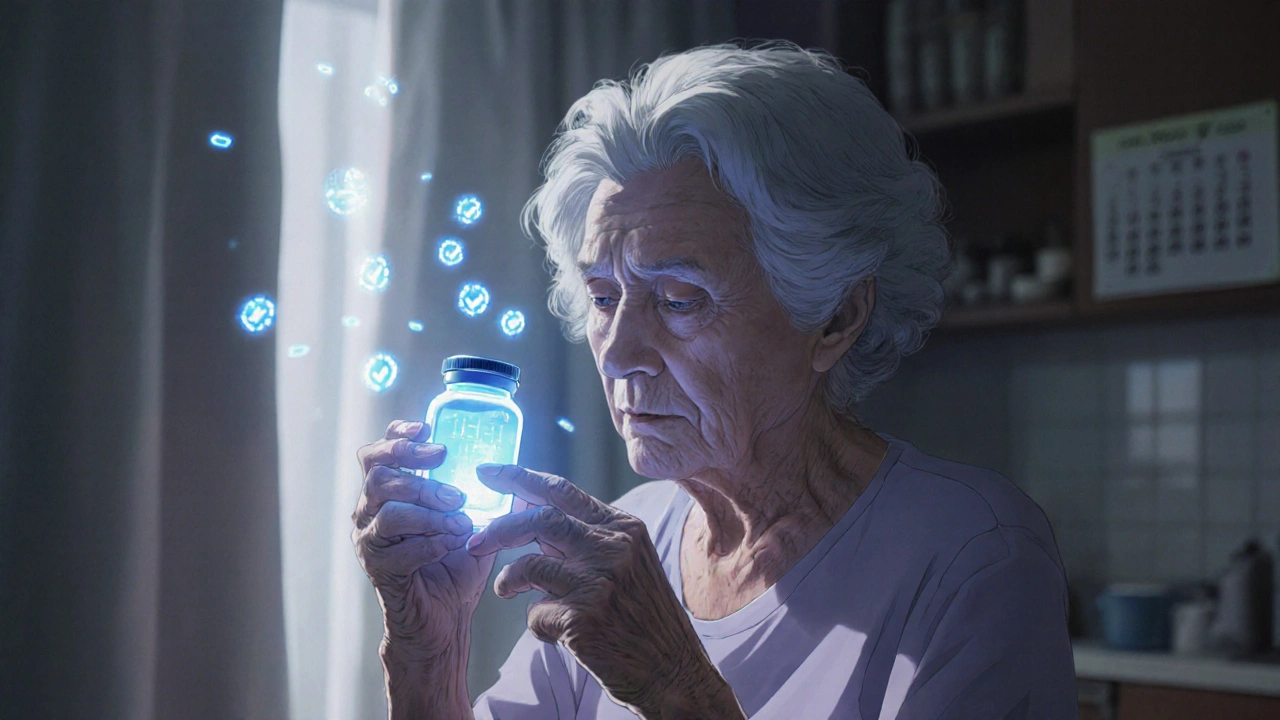
Adherence Tracking: Digital Tools for Managing Generics
Digital adherence tools help patients take generic medications consistently, reducing hospital visits and saving healthcare costs. Learn how smart pillboxes, SMS reminders, and pharmacy dashboards improve compliance-and what works best for real people.
© 2026. All rights reserved.