
Physical Therapy: What It Is, How It Helps, and What You Can Expect
When you hear physical therapy, a hands-on medical approach to restoring movement, reducing pain, and improving function without drugs or surgery. Also known as rehabilitation therapy, it’s one of the most underused tools for managing long-term pain, recovering from surgery, or even countering side effects from medications like opioids or steroids. It’s not just stretching or massaging sore muscles—it’s a science-backed system designed to fix how your body moves, not just mask how it hurts.
Physical therapy encompasses techniques like trigger point release, targeted pressure on tight muscle knots that cause referred pain, which shows up in posts about myofascial pain syndrome. It requires tools like resistance bands, foam rollers, and sometimes dry needling—methods you’ll see covered in real patient cases. And it influences outcomes for people on long-term pain meds: if you’re on NSAIDs or opioids, physical therapy can help you reduce doses by fixing the root cause of the pain, not just numbing it.
Think about someone with spinal stenosis who can’t walk far without leg pain. Physical therapy doesn’t just tell them to rest—it teaches them how to use their core, adjust their posture, and move in ways that take pressure off the nerves. Or someone with osteoporosis: instead of just taking bisphosphonates, they learn safe strength training to build bone density naturally. Even older adults on SSRIs, who are at higher risk for falls, benefit from balance drills and gait training built into their therapy plan.
You don’t need to be injured to need it. Many people start physical therapy because a medication made them stiff, weak, or unsteady. Others use it after surgery to get back on their feet faster. Some use it to avoid surgery altogether. And for chronic conditions like arthritis or nerve pain, it’s often the only thing that gives lasting relief without adding more pills to your routine.
What you’ll find here aren’t generic advice posts. These are real cases: how dry needling helped someone with myofascial pain, how movement corrected drug-induced balance issues, how breathing and posture work together to ease spinal stenosis symptoms. You’ll see what actually works—not just theory, but what patients reported after weeks of consistent therapy. No fluff. No hype. Just what physical therapy can do, when it helps, and how to make sure you’re getting the right kind.
27
Nov
2025
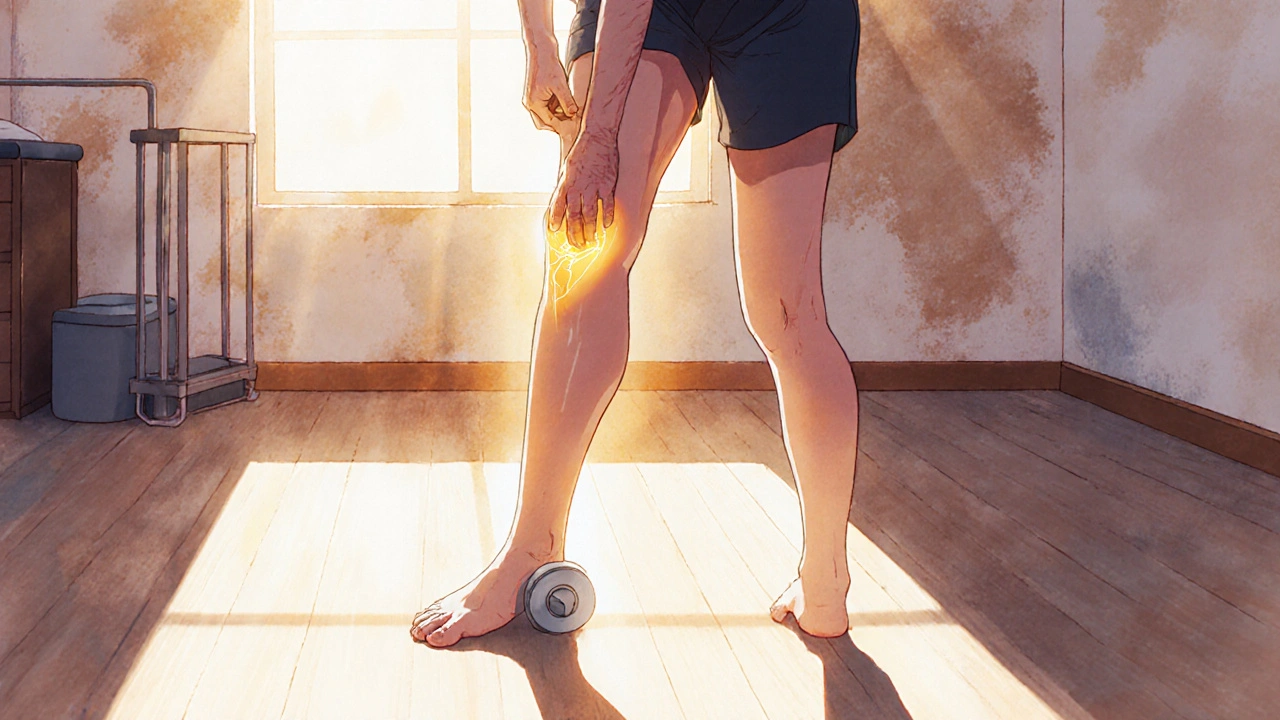
Physical Therapy for Joint Disorders: Range of Motion and Strengthening Protocols
Physical therapy for joint disorders uses targeted range of motion and strengthening exercises to reduce pain, improve mobility, and delay surgery. Evidence shows it's more effective than medication alone and saves thousands in healthcare costs.
27
Nov
2025

Physical Therapy for Joint Disorders: Improve Range of Motion and Build Strength with Proven Protocols
Physical therapy for joint disorders uses proven range of motion and strengthening exercises to reduce pain, improve mobility, and delay or avoid surgery. Learn how science-backed protocols work and how to get started.
© 2026. All rights reserved.