
Noninvasive Ventilation: What It Is, Who Needs It, and How It Helps
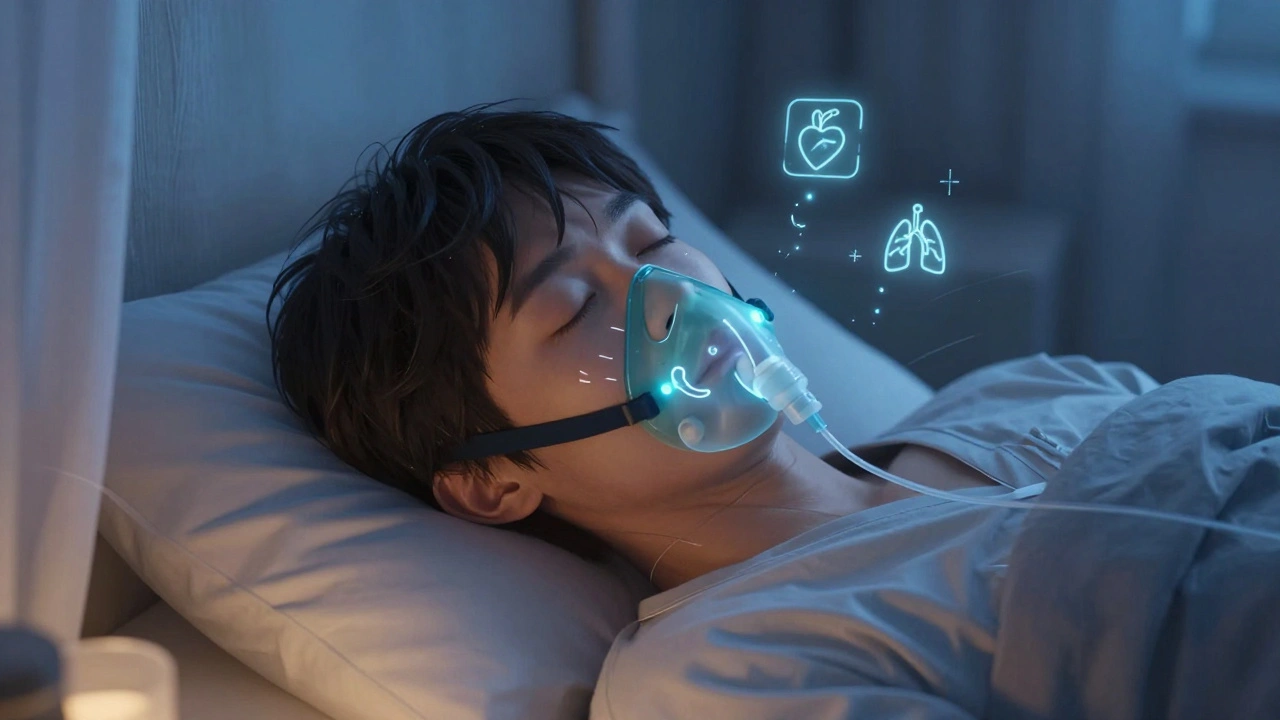
When your lungs can’t get enough oxygen or can’t push out carbon dioxide, noninvasive ventilation, a breathing support method that delivers air through a mask without requiring a breathing tube. Also known as NIV, it’s a lifeline for people with chronic lung problems, sleep apnea, or sudden respiratory failure. Unlike intubation, it doesn’t cut into your airway. You wear a mask over your nose, mouth, or both, and a machine gently pushes air into your lungs. It’s used in hospitals, rehab centers, and even at home—and it’s changed how doctors treat breathing problems without surgery.
Two main types of noninvasive ventilation are CPAP, continuous positive airway pressure, which delivers steady airflow to keep airways open and BiPAP, bilevel positive airway pressure, which adjusts pressure between inhaling and exhaling for better comfort. CPAP is common for sleep apnea. BiPAP is used for more serious conditions like COPD, neuromuscular diseases, or heart failure where the lungs need extra help pushing air out. Both reduce the need for ICU stays and lower the risk of infections that come with breathing tubes.
People with chronic lung diseases often rely on noninvasive ventilation long-term. For example, someone with advanced COPD might use BiPAP at night to improve sleep and reduce morning headaches. After a hospital stay for pneumonia or respiratory failure, NIV can help you recover faster and avoid being put back on a ventilator. Even older adults with weak breathing muscles benefit—many report feeling less tired and more alert within days of starting treatment.
It’s not perfect. Masks can leak, skin can get sore, and some people feel claustrophobic. But modern masks are lighter, quieter, and better sealed than older models. Many machines now track your usage and adjust pressure automatically. If you’re struggling with breathing at night or after exertion, noninvasive ventilation might be simpler and safer than you think.
What you’ll find below are real-world stories and science-backed guides on how noninvasive ventilation fits into broader health management—from drug interactions that affect breathing, to how physical therapy and adherence tools help patients stick with treatment. These aren’t just technical manuals. They’re practical tools for people who need to breathe easier—and the doctors and caregivers helping them do it.
1
Dec
2025
ALS Care: How Noninvasive Ventilation and Nutrition Strategies Extend Life and Improve Daily Living
Noninvasive ventilation and proper nutrition through a PEG tube are two of the most effective ways to extend life and improve daily living for people with ALS. Early use can add months - even years - to survival and restore sleep, energy, and dignity.
© 2026. All rights reserved.