
Cumulative Drug Toxicity: How Repeated Medication Use Harms Your Body Over Time
When you take a medication daily for months or years, it doesn’t just disappear after each dose. Over time, some drugs build up in your liver, kidneys, or bloodstream—this is cumulative drug toxicity, the gradual damage caused by long-term exposure to medications that your body can’t fully clear. Also known as drug accumulation toxicity, it’s not always obvious until it’s too late. Unlike sudden allergic reactions or overdoses, this kind of harm sneaks in quietly. You might feel fine today, but your liver is working harder, your kidneys are strained, or your nerves are slowly getting damaged—all because of pills you’ve been taking for years.
This isn’t just about old people on multiple prescriptions. Even young adults taking daily painkillers, antidepressants, or cholesterol meds are at risk. NSAIDs, common over-the-counter pain relievers like ibuprofen and naproxen can cause kidney damage after years of use. SSRIs, antidepressants often prescribed for anxiety and depression may lead to low sodium levels in older adults, increasing fall risk. And statins, cholesterol-lowering drugs widely used in middle-aged and older patients, can cause muscle breakdown over time, especially when combined with other medications. These aren’t rare cases—they’re documented patterns in real patients.
The problem gets worse when you mix drugs. A painkiller here, a sleep aid there, maybe a supplement on top—it all adds up. Your body doesn’t see them as separate. It sees a chemical load. That’s why pharmacovigilance—the science of tracking drug safety over time—is so important. Studies show that over half of hospital admissions in older adults are linked to medication side effects, and many of those stem from long-term use, not mistakes.
You don’t need to stop all your meds. But you do need to ask: How long have I been taking this? Is it still necessary? Has my body changed since I started? Many people keep taking drugs long after their original reason is gone. A pill for temporary pain becomes a daily habit. An antidepressant started during a crisis becomes a lifelong routine. Without regular check-ins, your doctor might miss the slow damage building up.
Below, you’ll find real-world guides on how specific drugs—like stimulants, bisphosphonates, opioids, and benzodiazepines—can cause hidden harm over time. You’ll learn how to spot early signs of toxicity, what tests to ask for, and how to talk to your doctor about safer alternatives. This isn’t fear-mongering. It’s awareness. And awareness is the first step to protecting your health before it’s too late.
1
Dec
2025
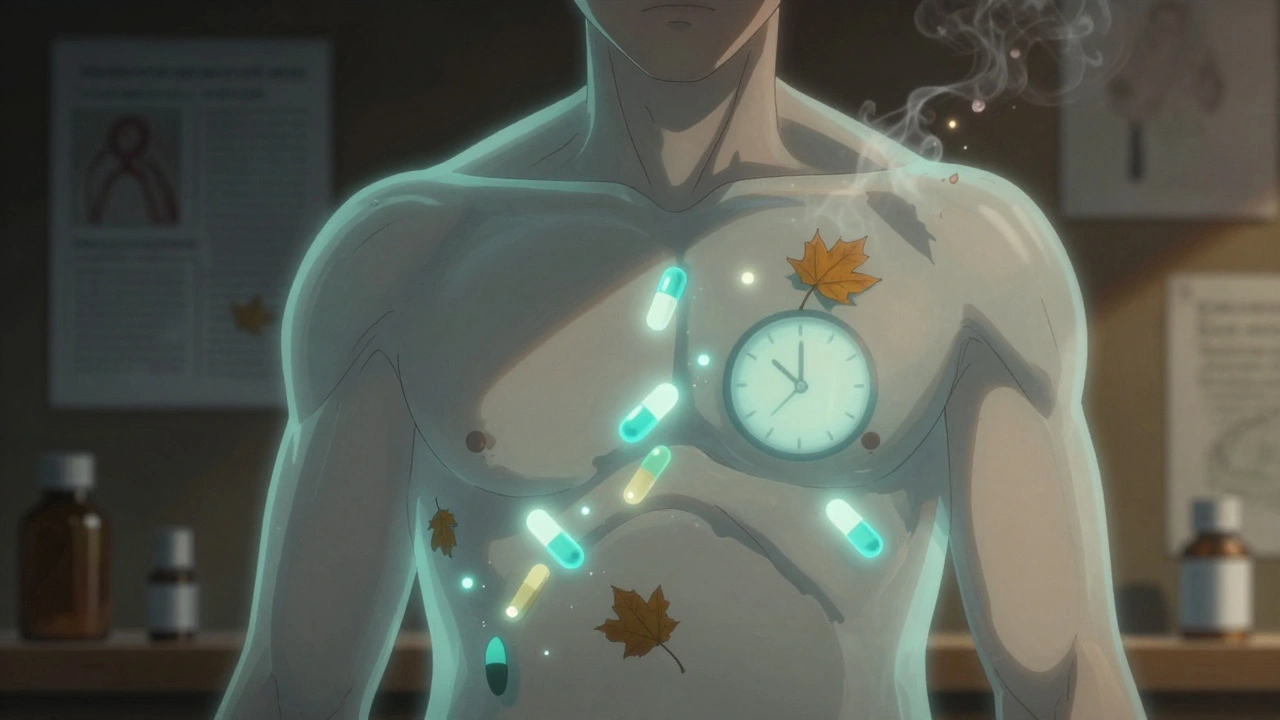
Cumulative Drug Toxicity: How Side Effects Build Up Over Time
Cumulative drug toxicity is when medications slowly build up in your body over time, causing side effects that appear years later. Learn how it happens, who’s at risk, and what you can do to stay safe.
© 2026. All rights reserved.