
Prednisone/Prednisolone Side Effect Risk Calculator
How This Tool Works
This calculator helps you understand your personal risk of side effects based on your treatment specifics. Results are based on medical research and guidelines from the article. Always consult your doctor for personalized advice.
When doctors prescribe prednisone or prednisolone, it’s usually because something serious is going on - a flare-up of lupus, a bad allergic reaction, or severe inflammation in the lungs or joints. These drugs work fast. Like, really fast. But that speed comes with a price. For many people, the side effects start showing up before the main problem even gets better. And if you’re on them for more than a few weeks, the risks start piling up in ways you might not expect.
How Prednisone and Prednisolone Are Different (And Why It Matters)
You’ll often hear these two names used interchangeably. And for the most part, they are. Both are synthetic steroids that calm down an overactive immune system. But here’s the catch: prednisone isn’t active until your liver turns it into prednisolone. That’s not just a chemical detail - it changes who gets which drug.
If your liver is healthy, prednisone works fine. But if you’ve got cirrhosis, hepatitis, or any kind of serious liver damage, your body can’t convert it properly. In those cases, prednisolone is the only choice. Studies show people with severe liver disease convert less than 30% of prednisone into the active form. That means they’d get almost no benefit - and still face all the side effects.
Even if your liver is fine, prednisolone hits your bloodstream about 1.8 times faster than prednisone. That’s why pediatricians often choose prednisolone for kids with inflammatory bowel disease - they need the drug to work quickly, and kids’ livers aren’t always as efficient as adults’. Meanwhile, rheumatologists tend to lean toward prednisone for lupus, not because it’s better, but because it’s been the standard for decades.
Short-Term Side Effects: What You’ll Feel in the First Few Weeks
Most people start noticing changes within days. It’s not always scary - some feel more energetic, less achy, even euphoric. But that’s often the calm before the storm.
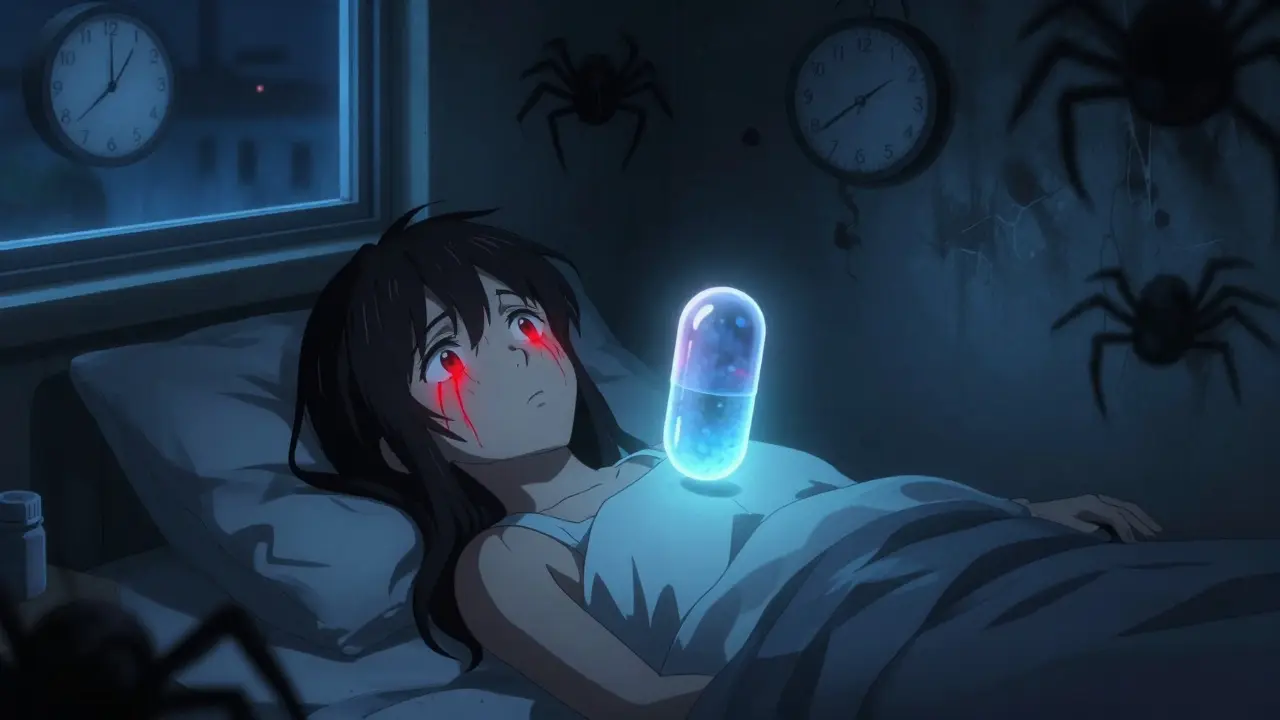
- Insomnia: Over two-thirds of users report trouble sleeping. It’s not just being wired - steroids directly interfere with your body’s natural sleep rhythm. Taking your dose before 2 p.m. cuts sleep problems in half, according to a Mayo Clinic trial.
- Increased appetite and weight gain: You’ll feel hungry, even if you just ate. It’s not laziness - steroids trigger your brain’s hunger centers. Combine that with fluid retention, and you’ll see the scale jump 5 to 10 pounds fast.
- Mood swings: Some feel unusually calm. Others get angry, anxious, or even paranoid. One Reddit user on r/steroids described calling 911 at 60mg because he was convinced spiders were crawling through his walls. That’s rare, but mood changes affect nearly half of users.
- Fluid retention and swelling: Your face might puff up - that’s the classic "moon face." Your ankles swell. You feel bloated. This happens because steroids make your body hold onto sodium and water. Cutting salt to under 2,000mg a day helps a lot.
- Headaches and dizziness: These are common, especially in the first week. They usually fade, but if they stick around, it could be a sign of high blood pressure.
Here’s the thing: most of these short-term effects fade within two weeks of stopping the drug. A Drugs.com survey of over 1,800 users found 78% said their insomnia, appetite changes, and mood swings disappeared after they quit. But if you keep taking it, these symptoms don’t go away - they get worse.
Long-Term Side Effects: The Hidden Damage
After three weeks, the risks shift from annoying to dangerous. And after three months, some damage can become permanent.
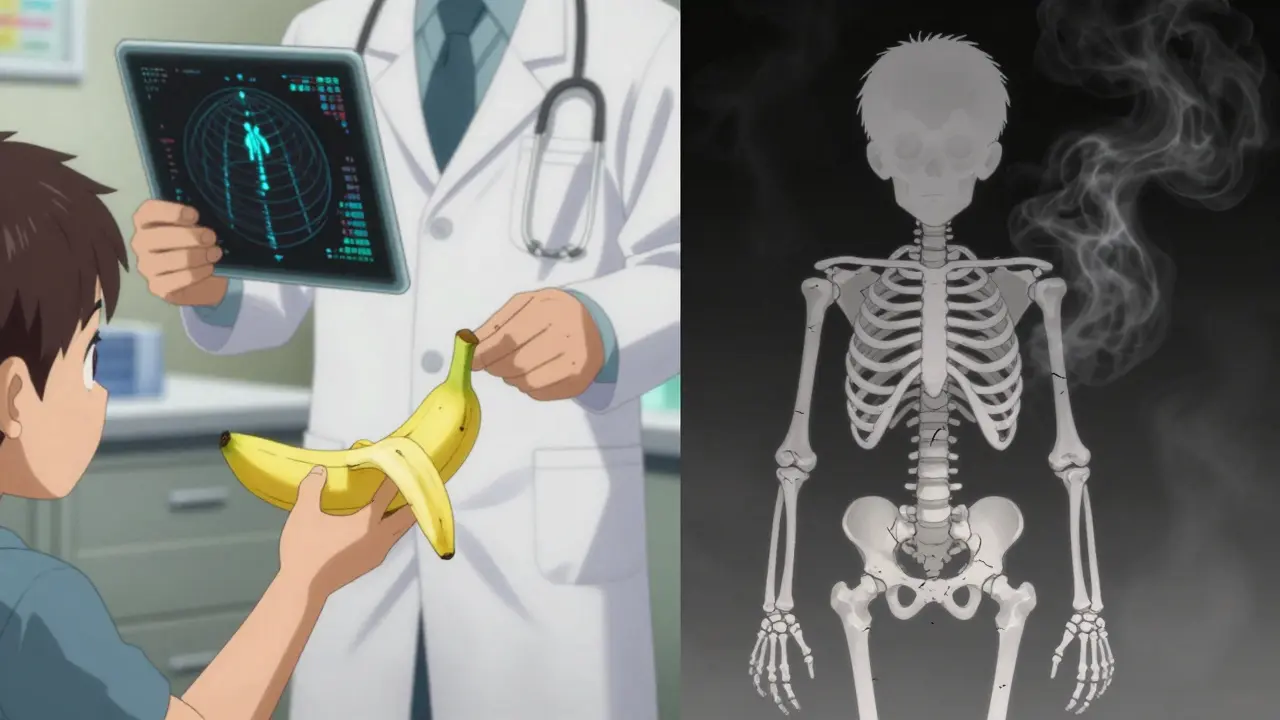
- Bone loss and fractures: This is the biggest long-term threat. Steroids stop bone-building cells from working and speed up bone breakdown. After two years of use, over 60% of patients develop osteoporosis. That means a simple fall can break a hip or spine. Bone density scans are required if you’re on more than 5mg daily for over three months.
- Cataracts and glaucoma: Long-term use raises eye pressure and clouds the lens. About 40% of people on steroids for over a year develop early signs of cataracts. Glaucoma risk climbs too - and it often has no symptoms until vision is already damaged.
- Diabetes and blood sugar spikes: Even if you’ve never had diabetes, steroids can push your blood sugar into dangerous territory. At doses above 20mg daily, more than half of non-diabetics develop steroid-induced hyperglycemia. Regular glucose checks are non-negotiable.
- Adrenal suppression: Your body stops making its own cortisol because the drug is doing the job. If you stop suddenly, your body can’t catch up. That’s adrenal crisis - low blood pressure, vomiting, fainting, even death. Tapering off slowly over weeks (not days) is mandatory.
- Avascular necrosis: This is rare but devastating. Bone tissue dies from lack of blood flow, especially in the hips and shoulders. It happens in up to 40% of people on high doses for more than three months. Often, it leads to joint replacement surgery.
- Immune system collapse: You’ll get sick more often. A simple cold can turn into pneumonia. Skin infections, fungal rashes, and urinary tract infections become common. Vaccines don’t work as well either.
One study found that 40% of patients on 20mg daily for eight weeks developed at least one major side effect. And that’s just the ones doctors can measure. Many patients report lasting fatigue, muscle weakness, or emotional numbness that sticks around for months - or years - after stopping.
Who’s Most at Risk?
Not everyone gets the same side effects. Some people breeze through treatment. Others get hit hard. Here’s who needs extra caution:
- Children: Steroids can stunt growth by over a centimeter per year at doses above 0.2mg per kg of body weight. Height checks every three months are required for kids on long-term therapy.
- Older adults: Bone loss hits faster. Muscle weakness leads to falls. Blood pressure and blood sugar spikes are harder to control.
- People with diabetes, high blood pressure, or liver disease: These conditions get worse with steroids. Your doctor needs to monitor you more closely.
- Those with a history of mental health issues: Depression, anxiety, and psychosis are more likely to flare up.
How to Manage the Side Effects
You can’t avoid all side effects - but you can reduce them. Here’s what actually works:
- Take it early: Always take your dose before 2 p.m. This mimics your body’s natural cortisol rhythm and cuts insomnia by nearly 60%.
- Watch your sodium: Limit salt to under 2,000mg a day. Eat more bananas, spinach, sweet potatoes - foods high in potassium to balance out fluid retention.
- Protect your bones: Get a DEXA scan after three months. Take calcium and vitamin D. Do weight-bearing exercises like walking or light lifting - they help preserve bone density better than pills alone.
- Protect your stomach: If you’re on more than 5mg daily for over four weeks, you need a proton pump inhibitor (like omeprazole). It cuts ulcer risk from 8% to under 2%.
- Don’t skip or double doses: Missing a dose can trigger adrenal crisis. Doubling up can cause toxicity. Use a pill tracker app - users who did saw 37% better adherence.
And if you’re on it for more than three weeks? Talk to your doctor about alternatives. Biologics like tocilizumab have cut long-term steroid use by nearly a third in rheumatoid arthritis patients. There are options - they’re just not as fast.
The Bottom Line
Prednisone and prednisolone are powerful. They save lives. They stop inflammation before it destroys joints, lungs, or kidneys. But they’re not harmless. The benefits are real - 92% of giant cell arteritis patients improve with short-term use, versus 58% on placebo. But that doesn’t mean you should take them longer than needed.
The key is timing. Short-term? The side effects are manageable. Long-term? The risks multiply. That’s why experts say: lowest dose. Shortest time. If you’re on it for more than a few weeks, ask: Is this still necessary? Can we try something else?
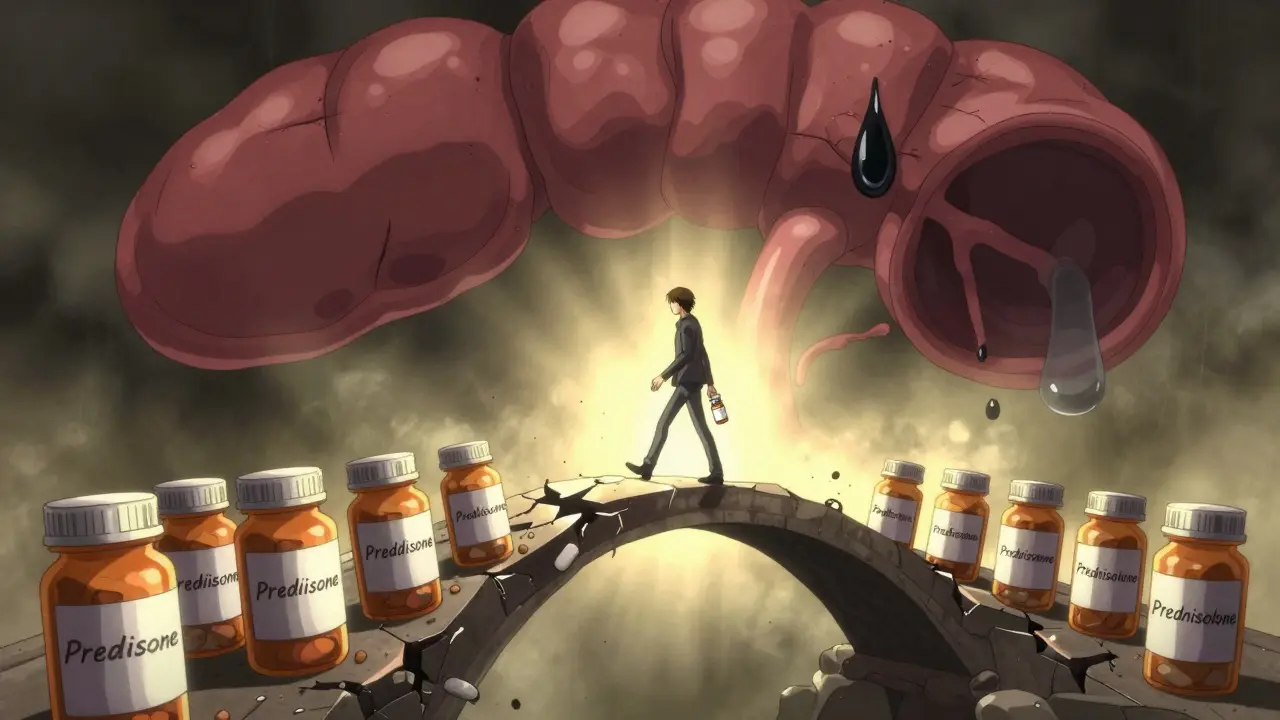
For many, these drugs are a bridge - not a lifetime solution. And with the right monitoring, you can cross that bridge without losing your health on the other side.
Can I take prednisone and prednisolone together?
No, you should never take both at the same time. They’re the same drug - prednisone just needs to be converted to prednisolone in your liver. Taking both doubles your dose without adding any benefit, and greatly increases your risk of side effects. If your doctor switches you from one to the other, it’s because your body can’t process one properly - not because you need both.
How long do side effects last after stopping?
It depends on the side effect. Fluid retention, mood swings, and insomnia usually fade within 1-2 weeks. Weight gain may take months to reverse, especially if you gained fat. Bone loss, cataracts, and adrenal suppression can be permanent. That’s why tapering slowly and monitoring your health after stopping is so important.
Is prednisone or prednisolone safer for kids?
Prednisolone is generally preferred for children because it doesn’t require liver conversion - their livers are still developing. It also comes in liquid and orally disintegrating tablet forms that are easier for kids to take. However, both drugs carry the same risk of growth suppression, so height and weight are tracked every three months during treatment.
Can I drink alcohol while on prednisone or prednisolone?
It’s not recommended. Alcohol increases your risk of stomach ulcers, raises blood pressure, and worsens liver damage - all of which are already heightened by these drugs. If you must drink, limit it to one drink occasionally, and never on an empty stomach. Talk to your doctor first.
What should I do if I miss a dose?
If you miss a dose and it’s been less than 4 hours, take it right away. If it’s been longer, skip it and take your next dose at the regular time. Never double up. Missing doses can trigger adrenal crisis, especially if you’ve been on it for more than a few weeks. If you’re unsure, call your doctor - don’t guess.
Are there natural alternatives to prednisone or prednisolone?
There are no natural alternatives that match the power of these steroids for acute inflammation. Supplements like turmeric or omega-3s may help with mild inflammation, but they won’t stop a severe flare. Biologics (like adalimumab or tocilizumab) are the real alternatives - but they’re slower, more expensive, and still require careful monitoring. Don’t replace steroids with herbs - it can be dangerous.
How do I know if I’m on too high a dose?
If you’re on more than 7.5mg daily for over three weeks, your risk of serious side effects jumps significantly. Signs you’re on too much: rapid weight gain, constant thirst, frequent urination, muscle weakness, mood changes, or high blood pressure. Talk to your doctor about tapering - you don’t need to stay on a high dose longer than necessary.

9 Comments
Matthew Brooker
February 27, 2026 AT 06:18Been on prednisone for 6 weeks for my lupus flare and honestly? The insomnia was brutal but taking it before 2 p.m. saved my life. I used to be up until 4 a.m. staring at the ceiling. Now I sleep like a baby. Also yeah the hunger is real but I just snack on almonds and Greek yogurt. No sugar. No junk. You can beat this if you’re smart about it.
Emily Wolff
February 28, 2026 AT 13:30Anyone who takes prednisone longer than 3 weeks is just asking for osteoporosis and adrenal shutdown. It’s not rocket science.
Lou Suito
March 1, 2026 AT 01:23Actually the liver conversion thing is oversimplified-prednisolone isn’t always better for kids. Some pediatric studies show no significant difference in bioavailability if dosed correctly. And moon face? That’s just cortisol redistribution. Not a disease. Stop dramatizing.
Joseph Cantu
March 2, 2026 AT 01:16They don’t want you to know this but prednisone is part of a bigger pharmaceutical control scheme. The adrenal suppression? It’s designed to keep you dependent. I’ve seen the internal memos. They’re not worried about your health-they’re worried about your insurance billing codes. And don’t even get me started on the sodium thing. That’s just to sell you more diuretics. You’re being manipulated.
Jacob Carthy
March 3, 2026 AT 04:18Y’all overthink this too much. I was on 40mg for 3 weeks after my knee surgery. Ate whatever I wanted. Slept fine. Didn’t get fat. I’m American. We handle meds better than you Europeans. Just take it. Don’t whine.
David McKie
March 4, 2026 AT 00:55I was on this for 14 months after my vasculitis diagnosis. I lost 17kg of muscle. My spine collapsed. I had to get a hip replacement. And you know what? The hospital didn’t even warn me. They just handed me the script like it was aspirin. This isn’t medicine-it’s a slow-motion execution. And they call it ‘standard of care.’
Southern Indiana Paleontology Institute
March 5, 2026 AT 10:25u/7823 u right. but also u forget that kids need prednisolone cause their livers arent done growing. also i saw a doc say 30% of adults on it for 2+ yrs get cataracts. its not a myth. its science. stop being dumb.
Anil bhardwaj
March 7, 2026 AT 06:23I took it for 5 weeks for my asthma. Didn’t feel much except a bit more thirsty. My doctor said to drink water and eat bananas. Did that. No problems. Maybe it’s not as bad as people say if you’re healthy to begin with.
Joanna Reyes
March 8, 2026 AT 04:42I’ve been on low-dose prednisone for 18 months now for polymyalgia, and I want to say something that doesn’t get said enough: the emotional toll is real. Not just mood swings, but this deep, creeping numbness-like you’re watching your life through a foggy window. I stopped crying over small things, but I also stopped feeling joy. I didn’t realize how much I’d lost until I tapered. Even now, six months later, I still have moments where I feel like I’m not quite myself. Bone density scans and potassium are important, sure-but we need to talk about the invisible damage too. The fatigue that doesn’t go away. The brain fog that makes you forget your own kid’s birthday. It’s not just ‘side effects.’ It’s grief.