
High Blood Pressure: Causes, Risks, and What You Can Do About It
When your blood pressure stays too high, it’s called high blood pressure, a chronic condition where the force of blood against artery walls is consistently elevated. Also known as hypertension, it’s one of the most common health problems in men—yet many don’t know they have it until something serious happens. The problem isn’t just the number on the meter. Over time, high blood pressure damages your arteries, strains your heart, and increases your risk of stroke, kidney failure, and heart attack. It doesn’t come with warning signs like chest pain or dizziness. It just creeps up—slowly, silently, and dangerously.
What causes it? For most men, it’s not one thing. It’s a mix of lifestyle, age, and sometimes genetics. Too much salt, not enough movement, being overweight, and chronic stress all play a role. Even something as simple as drinking too much alcohol or skimping on sleep can nudge your numbers up. Some medications, like certain NSAIDs or decongestants, can make it worse. And if you’re on long-term opioid therapy or taking stimulants for ADHD, your heart rhythm and blood pressure can be affected in ways you might not expect. It’s not just about the numbers—it’s about how your whole system is holding up.
Managing it isn’t just popping a pill. It’s about understanding how your body reacts to what you eat, how you move, and what you take. Some men see big improvements just by cutting back on sodium, losing a few pounds, or walking 30 minutes a day. Others need medication—like ACE inhibitors, beta-blockers, or diuretics—to keep things under control. But even then, you still need to pay attention. Long-term use of some blood pressure drugs can interact with other meds you’re taking, or lead to side effects like low potassium or dizziness. And if you’re over 65, you’re at higher risk for complications like hyponatremia or falls, especially if you’re also on SSRIs or diuretics. The goal isn’t just to lower the number—it’s to protect your heart, your kidneys, and your quality of life.
Below, you’ll find real, practical advice from men who’ve been there. From how to spot hidden risks in your meds to what actually works when lifestyle changes aren’t enough—you’ll see what’s backed by science, not guesswork. No fluff. Just what you need to know to take charge.
29
Nov
2025
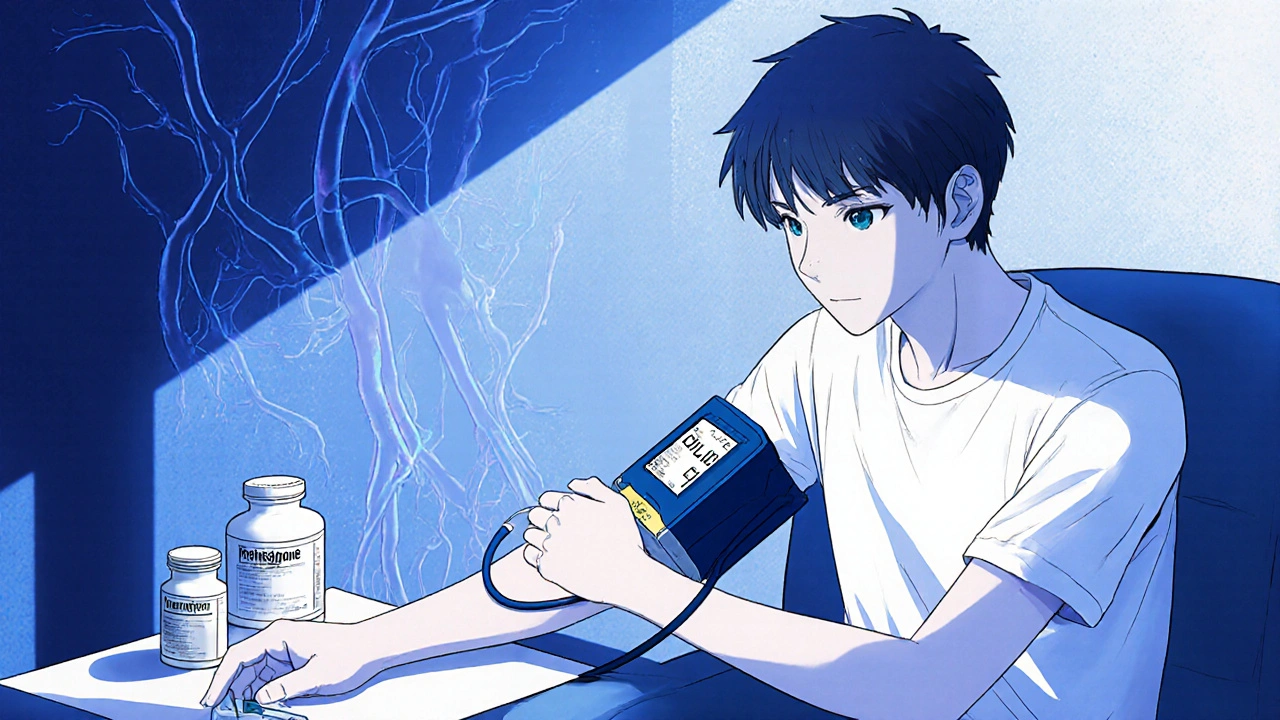
High Blood Pressure Caused by Certain Medications: How to Monitor and Manage It
Certain medications like NSAIDs, corticosteroids, and antidepressants can raise blood pressure silently. Learn how to spot the signs, monitor effectively, and manage it with safer alternatives and lifestyle changes.
© 2026. All rights reserved.