

You might have heard that Ginkgo biloba is a miracle worker for memory and focus. It's not hard to see why; it comes from one of the oldest tree species on Earth and has been a staple in traditional Chinese medicine for centuries. But if you're taking medication to keep your blood from clotting, adding a "natural" supplement to your routine isn't always a safe bet. The core problem is that while some studies say it's fine, others warn of severe bleeding, including brain hemorrhages. This leaves many people wondering: can I actually take this supplement with my prescription?
The Quick Reality Check
- The Risk: Ginkgo may stop platelets from sticking together, which can thin your blood further.
- High-Risk Meds: Warfarin is often flagged as the most dangerous combination.
- Moderate-Risk Meds: Aspirin and Clopidogrel are common concerns.
- The Variable: Standardized extracts (like EGb 761) tend to be safer than random, non-standardized store brands.
- The Golden Rule: Always tell your doctor before starting, and stop use weeks before any surgery.
How Ginkgo Actually Affects Your Blood
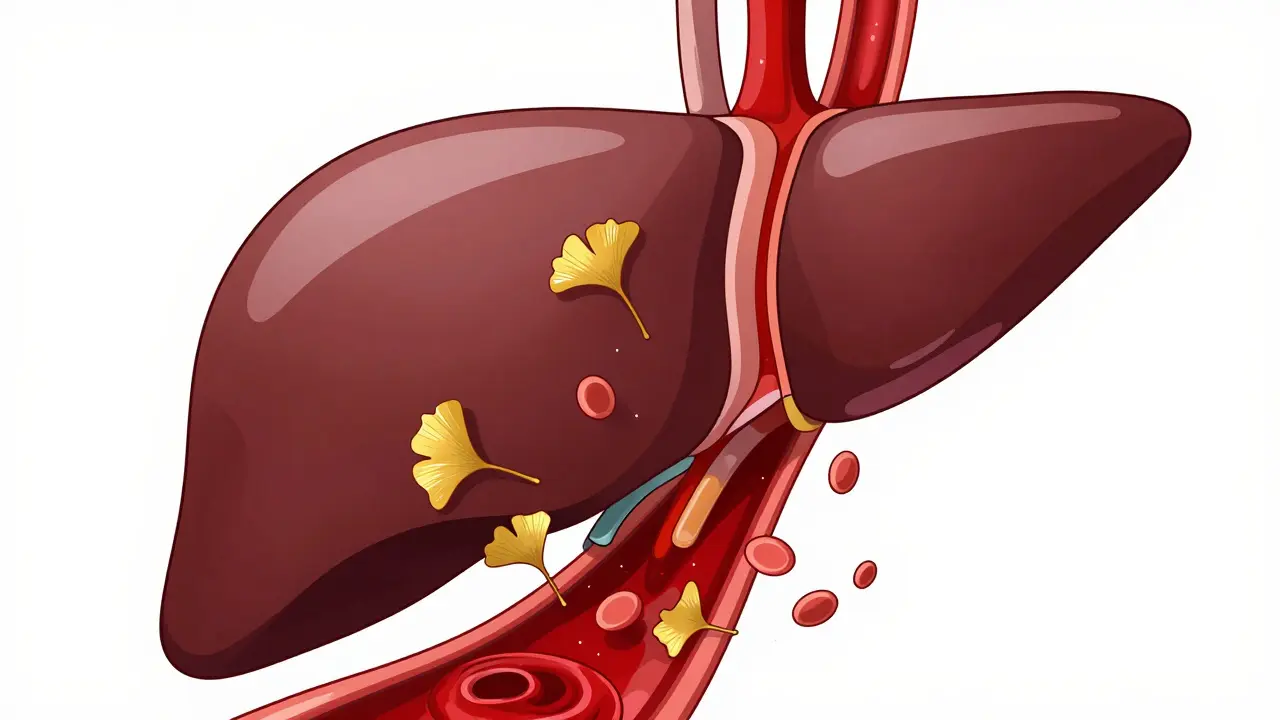
To understand the danger, we have to look at how blood clots. Normally, your body uses platelets to plug leaks in blood vessels. Ginkgo biloba extract (GBE) can get in the way of this process. Specifically, it can block the production of platelet-derived growth factors. In plain English: it makes your platelets less "sticky," which means your blood takes longer to clot.
It's not just about platelets, though. Ginkgo also messes with an enzyme in your liver called CYP2C9. This enzyme is responsible for breaking down certain medications. If Ginkgo slows this enzyme down, a drug like Warfarin (a common anticoagulant) can build up in your system. When the drug level gets too high, your blood becomes too thin, and a simple bump on the arm could turn into a massive bruise or an internal bleed.
Comparing Common Blood Thinners and Ginkgo
Not all blood thinners are the same. Some prevent clots by targeting platelets, while others target the proteins that help blood coagulate. This changes how they interact with Ginkgo.
| Medication | Type | Risk Level | Primary Concern |
|---|---|---|---|
| Warfarin (Coumadin) | Anticoagulant | High | Liver enzyme interference; high bleeding risk. |
| Clopidogrel (Plavix) | Antiplatelet | Moderate | Double-thinning effect on platelets. |
| Aspirin | Antiplatelet/NSAID | Moderate | Increased risk of gastrointestinal bleeding. |
| DOACs (e.g., Eliquis) | Direct Oral Anticoagulant | Moderate | Increased bleeding prevalence in clinical data. |
The Great Debate: Is it Actually Dangerous?
If you ask different experts, you'll get different answers. This is where it gets confusing. On one side, you have institutional giants like the Mayo Clinic and GoodRx. They take a cautious approach, stating that you should generally avoid Ginkgo if you're on blood thinners because the theoretical risk of bleeding is too high to ignore.
On the other side, some clinical reviews suggest the panic might be overblown. For instance, a major review published in PubMed found that most controlled studies showed no significant impact on bleeding when people used a specific, high-quality extract called EGb 761. This is a standardized extract containing 24% flavonol glycosides and 6% terpene lactones. The researchers argued that the "horror stories" of brain bleeds usually involved low-quality, non-standardized supplements, not the medical-grade stuff.
So, who is right? In the world of medicine, "safe enough for a study" isn't the same as "safe for your specific body." Because your liver enzymes and health history are unique, the cautious route-avoiding the mix-is usually the standard medical advice.
Red Flags: When to Stop Immediately
If you've already been taking both, you need to know what a "bad interaction" actually looks like. It's not always a dramatic event; sometimes it's subtle. Keep an eye out for these signs that your blood is too thin:
- Unexplained Bruising: Noticing large bruises on your skin without remembering how you got them.
- Prolonged Bleeding: A small paper cut or a shaving nick that takes way longer than usual to stop bleeding.
- Nosebleeds: Frequent or heavy nosebleeds that are hard to control.
- Gums Bleeding: Bleeding during brushing or flossing that wasn't there before.
- Internal Signs: Dark, tarry stools or coffee-ground-colored vomit (this is a medical emergency).
Surgery and the Two-Week Rule
Regardless of whether you feel fine today, surgery changes everything. Surgeons need your blood to clot normally so you don't bleed out during or after a procedure. Many experts, including the American Society of Anesthesiologists, recommend a strict window for stopping herbal supplements.
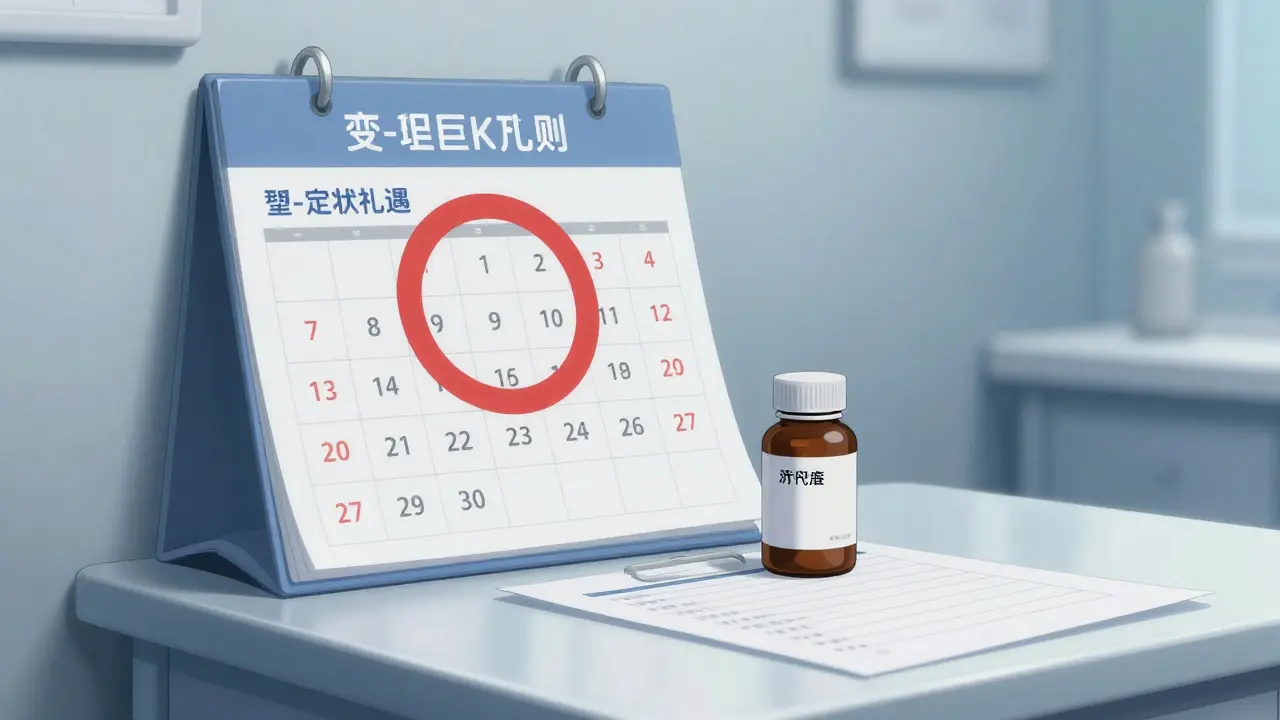
While some suggest stopping 36 hours before, a safer and more common clinical guideline is to discontinue Ginkgo biloba at least 2 weeks before any scheduled surgery. This gives your platelet function time to return to its natural baseline and ensures that any interference with your blood thinners has worn off.
Beyond Ginkgo: Other "Blood-Thinning" Herbs
Ginkgo isn't the only supplement that can cause these issues. Many people take "blood health" stacks that combine several herbs, which can multiply the risk. If you are on a prescription blood thinner, be very careful with these as well:
- Garlic Supplements: High-dose garlic can inhibit platelet aggregation.
- Danshen: A traditional Chinese herb often used for circulation that has similar bleeding risks.
- Evening Primrose Oil: May increase bleeding time in some users.
- Omega-3 Fish Oil: In very high doses, these can also have a mild thinning effect.
Can I take Ginkgo Biloba with baby aspirin?
While some controlled studies show that low-dose aspirin and standardized Ginkgo don't cause a major reaction, many doctors still advise against it. Aspirin is an antiplatelet drug, and Ginkgo also inhibits platelets. Combining them can increase your risk of stomach ulcers or internal bleeding. Always check with your provider first.
Is EGb 761 safer than other Ginkgo supplements?
Yes, generally. EGb 761 is a standardized extract, meaning it has a consistent amount of active ingredients. Most of the clinical trials that showed no interaction with blood thinners used this specific extract. Non-standardized supplements can vary wildly in potency and purity, which is where most of the adverse event reports come from.
How long does it take for Ginkgo to leave my system?
For most people, the acute effects on platelet function begin to fade within a few days, but to be completely safe for surgery, medical professionals recommend stopping the supplement 14 days (2 weeks) prior to the procedure.
Does Ginkgo affect the INR levels for Warfarin users?
Potentially. Because Ginkgo can interfere with the CYP2C9 enzyme in the liver, it may change how your body processes Warfarin. This could lead to a fluctuation in your International Normalized Ratio (INR), making your blood either too thin or too thick. If you start or stop Ginkgo, you should have your INR tested more frequently.
What should I do if I accidentally took both?
Don't panic, but do be observant. If you only took a single dose, the risk of a major event is low. However, stop taking the Ginkgo immediately and monitor yourself for the "red flags" mentioned above, such as unusual bruising or nosebleeds. Contact your pharmacist or doctor to let them know so they can decide if you need a blood test.
Next Steps for Your Safety
If you are currently taking a blood thinner and want to use Ginkgo, your first move should be a pharmacy review. Bring your current supplement bottle to your pharmacist and ask, "Does the concentration of this specific extract interfere with my current dose?"
If you are preparing for a medical procedure, mark your calendar for two weeks prior to the date. Use that as your hard deadline to stop all herbal supplements. When you arrive for your pre-op appointment, provide your surgeon with a complete list of every herb, vitamin, and over-the-counter drug you've taken in the last month. Being honest about your supplements is the best way to ensure a safe surgery and a smooth recovery.

15 Comments
Sam Hayes
April 5, 2026 AT 14:20always check with your pharmacist first because they see the chemistry side of things way more than a general doc does
Joseph Rutakangwa
April 7, 2026 AT 01:02good point on the pharmacist
Will Baker
April 7, 2026 AT 22:53Oh wow, look at everyone playing it safe. I bet the people writing these "guides" just love the idea of us being terrified of a leaf. Maybe some of us actually enjoy the thrill of a little internal bleeding while we try to remember where we left our keys. Truly revolutionary stuff here.
Divine Manna
April 8, 2026 AT 07:03The distinction between standardized extracts and raw supplements is the only logically sound part of this discussion. Most laypeople fail to comprehend that "natural" does not equate to "unregulated" or "safe." It is an ontological error to assume that a plant's origin exempts it from pharmacodynamic interactions. If one intends to modulate their cognitive function via Ginkgo biloba, one must possess the intellectual discipline to source medical-grade extracts like EGb 761, lest they succumb to the haphazard toxicity of budget-brand supplements. The hubris of the average consumer in ignoring the CYP2C9 enzyme pathway is truly staggering.
Lawrence Rimmer
April 10, 2026 AT 03:41This is just typical fear-mongering. We've turned the simple act of taking a supplement into a bureaucratic medical event. It's a symptom of a society that prefers the safety of a cage to the risk of a garden.
Aysha Hind
April 11, 2026 AT 18:45Typical Big Pharma propaganda right here. They want you scared of a tree so you keep paying for their overpriced anticoagulants that probably have ten other hidden side effects they didn't mention in the brochure. I've seen this pattern a million times and it's honestly pathetic. They label everything "high risk" the moment a natural remedy actually starts working for people. Just follow the money and you'll see why the "experts" are so terrified of a little Ginkgo. It's all a game to keep us dependent on the chemical cocktail they sell in shiny plastic bottles.
Beth LeCours
April 13, 2026 AT 08:43too long
angel sharma
April 15, 2026 AT 05:39I absolutely believe that we must approach our health with an abundance of energy and a willingness to learn from all sources of knowledge because when we combine the wisdom of ancient traditional Chinese medicine with the rigorous standards of modern science we create a powerhouse of wellness that can truly transform lives and help us reach our peak mental performance without sacrificing our safety!
Joey Petelle
April 15, 2026 AT 16:43Imagine thinking a generic "safety guide" is the peak of medical literature. This is some real bottom-of-the-barrel content for the masses who can't read a real study. Only in this country do we treat a supplement like it's a radioactive isotope. Absolutely precious.
Vicki Marinker
April 16, 2026 AT 02:50I found the section on surgery particularly tedious. Who actually schedules surgery and then spends two weeks pondering their herbal tea habits? It's a quaint notion, really.
Branden Prunica
April 17, 2026 AT 13:53Wait, coffee-ground vomit is a medical emergency?! I am literally shaking right now. I had some brown stuff in my mouth after a bad espresso and now I'm spiraling! Does anyone else feel like this is just too much stress for one day? I can't even breathe properly thinking about internal bleeds!
Goodwin Colangelo
April 19, 2026 AT 11:03Just a heads up for anyone worried about the red flags, if you do notice those bruises, just keep a log of when they happen and show your doc. It makes the conversation way easier when you have a date and a photo to show them instead of just saying you feel off.
Sakshi Mahant
April 19, 2026 AT 22:29It is wonderful to see a guide that respects both the traditional uses of Ginkgo and the necessity of modern medical precautions. Finding a balance between different health philosophies allows us to care for ourselves more holistically.
Ace Kalagui
April 20, 2026 AT 14:51I really appreciate the way this explains the platelet process because I think a lot of us forget that our bodies are such complex systems and it is so important to be a supportive coach for our own health by taking the time to understand how different substances interact with our unique biology over the long term so we can truly thrive together as a community of wellness seekers.
Dee McDonald
April 21, 2026 AT 17:25Stop playing around with your health and just go to the pharmacy already! If you are reading this and still hesitant, you are just wasting time and risking your own life! Get the EGb 761 or get out of the way! Let's get focused on actually surviving and not just guessing if we'll bleed out!