
Supplement & Medication Timing Planner
Select the supplements and medications you are taking to see the recommended daily schedule and avoid "competitive binding" absorption issues.
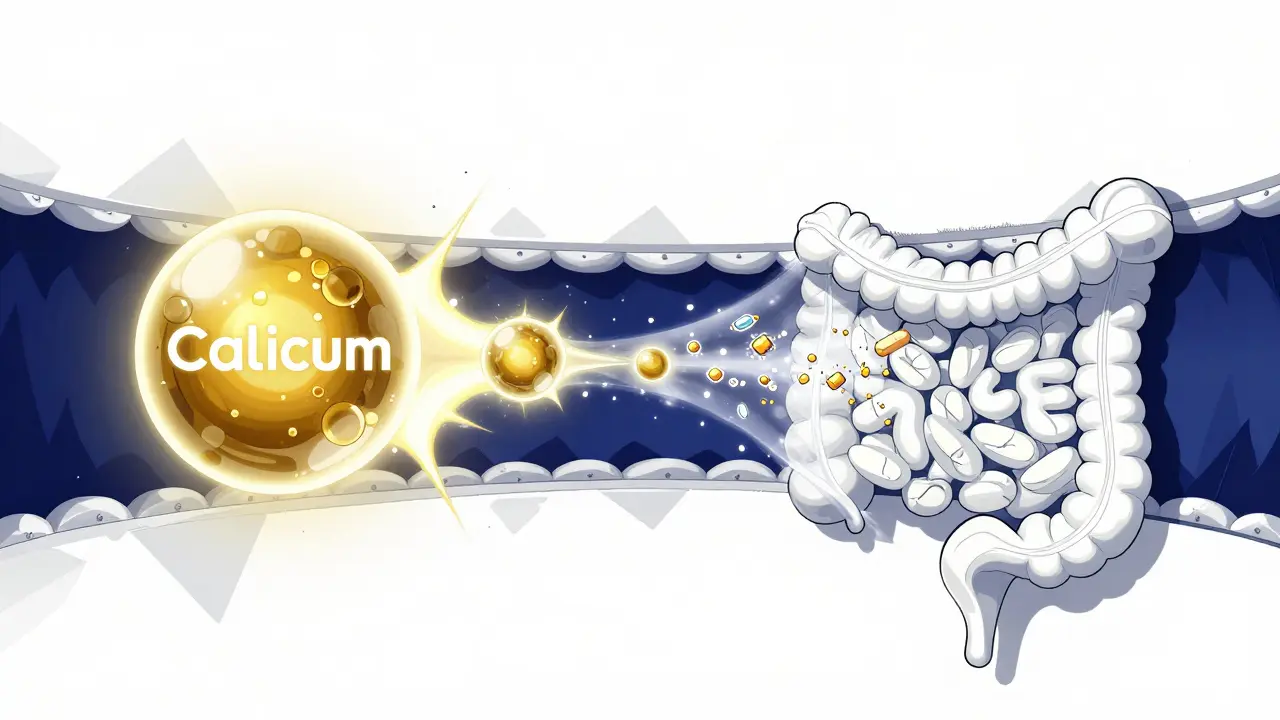
The core problem is a process called competitive binding. Because calcium and iron carry a positive charge, they can bind to other molecules in your gut. If those molecules happen to be your medication, the drug gets stuck to the mineral and passes right through your system without ever being absorbed. For someone fighting an infection or managing a thyroid condition, this isn't just a minor inconvenience-it's a treatment failure.
How Calcium and Iron Fight Each Other
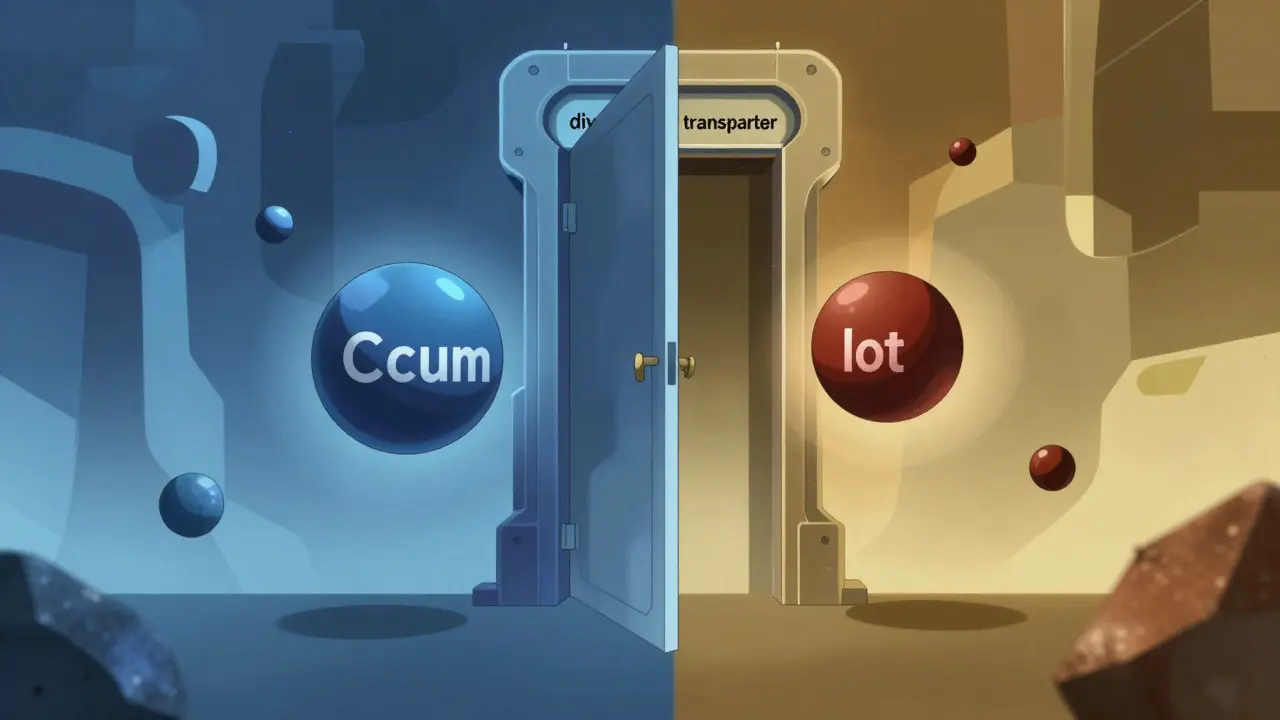
It is a common mistake to take a multivitamin or a calcium tablet with an iron pill, but these two minerals are essentially rivals. They both use the same "doors"-known as divalent metal transporters-to get into your intestines. When you take them together, they fight for the same spot, and usually, one wins while the other is left behind.
Research highlights just how aggressive this competition is. A study in the American Journal of Clinical Nutrition found that calcium supplements can slash iron absorption by 49% to 62% when taken without food. When food is involved, the inhibition remains significant. In more recent data from 2022 published in ACS Omega, researchers found that adding calcium reduced mean iron absorption by up to 27%. For women, who already have a higher daily iron requirement of 18 mg, this can be a fast track to iron-deficiency anemia if they regularly take calcium with their meals.
Beyond the competition for transporters, the form of the supplement matters. Calcium Carbonate, a very common and cheap supplement, also acts as an antacid. By raising the pH level in your stomach, it makes non-heme iron (the kind found in plants and pills) much harder to dissolve, further tanking your absorption rates.
Medications That Get Blocked by Minerals
The danger isn't just between the two minerals. Calcium and iron supplements can interfere with a wide range of critical prescriptions. The most common culprits are antibiotics and hormone replacements.
- Antibiotics: Fluoroquinolones (like ciprofloxacin and ofloxacin) and Tetracyclines (like demeclocycline) are particularly sensitive. Because these drugs bind to cations (positively charged ions), they stick to the calcium or iron in your gut and can't be absorbed. This means you might not get a high enough dose in your blood to actually kill the bacteria causing your infection.
- Thyroid Hormones: If you take Levothyroxine for hypothyroidism, be extremely careful. Calcium, magnesium, and iron can all block the absorption of thyroid hormones, potentially throwing your hormone levels out of balance.
- Neurological Drugs: Iron supplements have been shown to reduce the effectiveness of certain medications used to treat seizures and Parkinson's disease.
- Osteoporosis Meds: Bisphosphonates, used to strengthen bones, can be neutralized if taken too close to mineral supplements.
| Medication Type | Example Drugs | Interaction Effect | Recommended Gap |
|---|---|---|---|
| Tetracycline Antibiotics | Demeclocycline | Reduced drug effectiveness | 2 hrs before / 4 hrs after |
| Fluoroquinolones | Ciprofloxacin | Blocked absorption | At least 2 hours |
| Thyroid Hormones | Levothyroxine | Reduced hormone uptake | Check with doctor (usually 4+ hrs) |
| Iron Supplements | Ferrous Sulfate | Blocks other drugs/calcium | At least 2 hours |
The Role of Stomach Acid and pH
Your stomach acid isn't just for digesting food; it's a critical tool for iron solubility. If your stomach isn't acidic enough, iron cannot dissolve properly, and your body can't absorb it. This is why heartburn medications are a secret enemy of iron supplements.
If you use Proton Pump Inhibitors (PPIs) like pantoprazole or omeprazole, or H2 blockers like famotidine, you are actively lowering your stomach acid. This creates an environment where iron supplements struggle to work. When you combine a PPI with a calcium carbonate supplement, you're creating a "double hit" that can lead to significant iron deficiency over time.
Smart Timing for Maximum Absorption
Since you can't always stop taking necessary supplements, the solution is all about the clock. You need to create a buffer zone between your medications and your minerals. Here is the gold standard for timing based on clinical guidelines from sources like MedlinePlus and GoodRx.
The Ideal Daily Schedule:
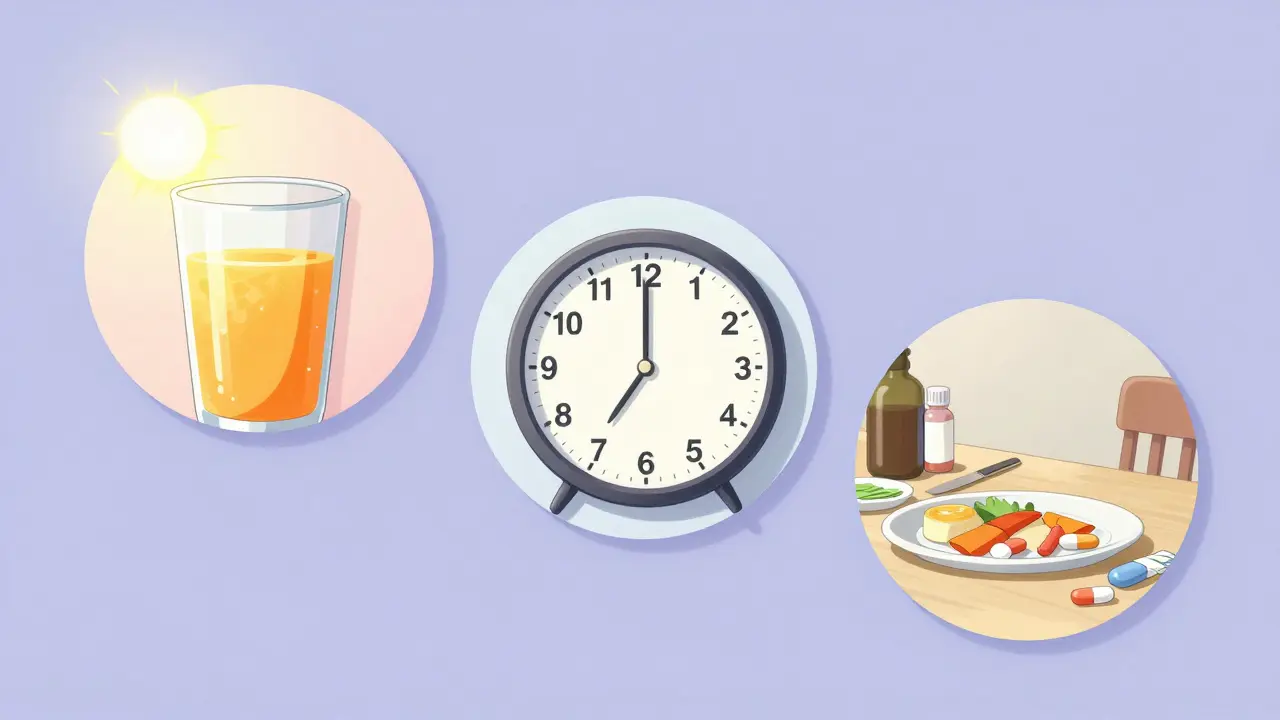
- Morning (Empty Stomach): Take your iron supplement. To give it a massive boost, take it with Vitamin C or a glass of orange juice. This can increase absorption by up to 300% by keeping the iron in a more soluble state.
- Mid-Day: Take your antibiotics or thyroid medications. Ensure there is at least a 2-hour window since your iron dose. For tetracyclines, aim for a 4-hour gap after iron.
- Evening (With Food): Take your calcium supplement. Calcium is generally better absorbed when taken with a meal, and placing it at the end of the day ensures it is far away from your morning iron and mid-day medications.
If you struggle with the "empty stomach" rule for iron-which causes nausea or stomach cramps in 30% to 50% of people-you may need to transition to a liquid iron supplement. Just keep in mind that liquid versions can stain your teeth, so using a straw is a smart move.
Red Flags and Safety Warnings
When you start managing these supplements, you'll notice some changes. Iron supplements often turn stools black; this is normal and not a cause for alarm. However, if your stools look tarry or have red streaks, that's a sign of gastrointestinal bleeding, and you need to see a doctor immediately.
One of the most critical warnings involves children. Iron pills look like candy to a toddler, but they are incredibly toxic in high doses. Iron poisoning is a leading cause of fatal childhood poisoning in the U.S. Always store these supplements in a locked cabinet or high shelf where kids can't reach them. If a child swallows an iron pill, don't wait for symptoms-call a poison control center right away.
Can I take my calcium and iron supplements at the same time?
It is not recommended. Calcium and iron compete for the same absorption pathways in the gut. Taking them together can reduce iron absorption by 49% to 62%. The best practice is to separate them by at least 4 to 6 hours-for example, iron in the morning and calcium in the evening.
Why does Vitamin C help with iron absorption?
Vitamin C (ascorbic acid) helps keep iron in its more soluble form (ferrous state) and prevents it from binding to inhibitors. This can increase the bioavailability of iron by up to 300%, making it much easier for your body to absorb from supplements.
Will my calcium supplement make my antibiotics stop working?
Yes, it can. Calcium binds to certain antibiotics, especially fluoroquinolones and tetracyclines, creating a complex that the body cannot absorb. This prevents the drug from reaching therapeutic levels in your blood, which may lead to the infection not being properly treated.
Do I need to worry about antacids when taking iron?
Yes. Antacids, H2 blockers, and proton pump inhibitors (PPIs) reduce the acidity of your stomach. Since stomach acid is required to dissolve non-heme iron, these medications can significantly impair your ability to absorb iron supplements.
How long should I wait between taking a thyroid pill and a mineral supplement?
You should generally wait at least 4 hours. Calcium, magnesium, and iron can all block the absorption of thyroid hormones like levothyroxine. Always prioritize your thyroid medication first thing in the morning on an empty stomach and schedule minerals for much later in the day.
Next Steps for Your Routine
If you are currently taking a combination of these minerals and medications, don't stop your prescriptions, but do audit your timing. Start by mapping out when you take your medications and when you take your supplements. If they overlap, shift your calcium to dinner and your iron to the early morning.
For those who experience severe stomach upset with iron, talk to your pharmacist about different forms of iron or the possibility of liquid supplements. If you are on a long-term PPI for acid reflux, you might want to ask your doctor for a blood test to check your ferritin levels, as you may be at a higher risk for iron deficiency due to low stomach acidity.
About author

© 2026. All rights reserved.