
Medication Safety: Avoid Harm, Know Your Drugs, and Stay in Control
When it comes to your health, medication safety, the practice of using drugs correctly to avoid harm while getting real benefits. Also known as drug safety, it’s not just about following the label—it’s about understanding how your body reacts, what else you’re taking, and whether the pill in your hand is even real. Every year, hundreds of thousands of people end up in the hospital because of preventable medication errors. It’s not always about taking too much. Sometimes it’s about taking the wrong thing, or the right thing at the wrong time, or not knowing a drug is making your blood pressure spike or your kidneys struggle.
Drug interactions, when two or more medications affect each other’s behavior in your body are one of the biggest hidden dangers. Mixing benzodiazepines with opioids or alcohol can slow your breathing to a stop. NSAIDs like ibuprofen might seem harmless, but they can raise your blood pressure silently or cause stomach bleeding, especially if you’re over 60. And counterfeit drugs, fake medicines sold online or in unregulated markets are a growing threat—not just overseas, but right here in the U.S. Fentanyl-laced pills, fake Ozempic, and expired Botox are out there, and they’re killing people.
It’s not just about avoiding bad combinations. Your genes matter too. Pharmacogenetic testing, a genetic test that shows how your body breaks down certain drugs can tell you if you’re likely to get sick from a standard dose of an antidepressant or if a painkiller won’t work for you at all. This isn’t sci-fi—it’s already used in hospitals to prevent dangerous side effects. And for older adults, side effects, unwanted reactions to medications that can range from dizziness to confusion like hyponatremia or falls from SSRIs aren’t just risks—they’re common. Many doctors don’t even check for them.
Medication safety isn’t about fear. It’s about awareness. It’s knowing that your OTC painkiller could be hurting your heart. That your cheap online prescription might be dust. That your grandma’s antidepressant could be making her dizzy and prone to falls. It’s about asking your pharmacist, not just your doctor. It’s about tracking what you take, not just how much. And it’s about realizing that more isn’t always better—sometimes, less is safer.
Below, you’ll find real stories, real data, and real solutions—from how flavoring kids’ meds boosts compliance to how AI is catching dangerous drug reactions before they spread. These aren’t theoretical guides. They’re tools to help you take control before something goes wrong.
12
Feb
2026
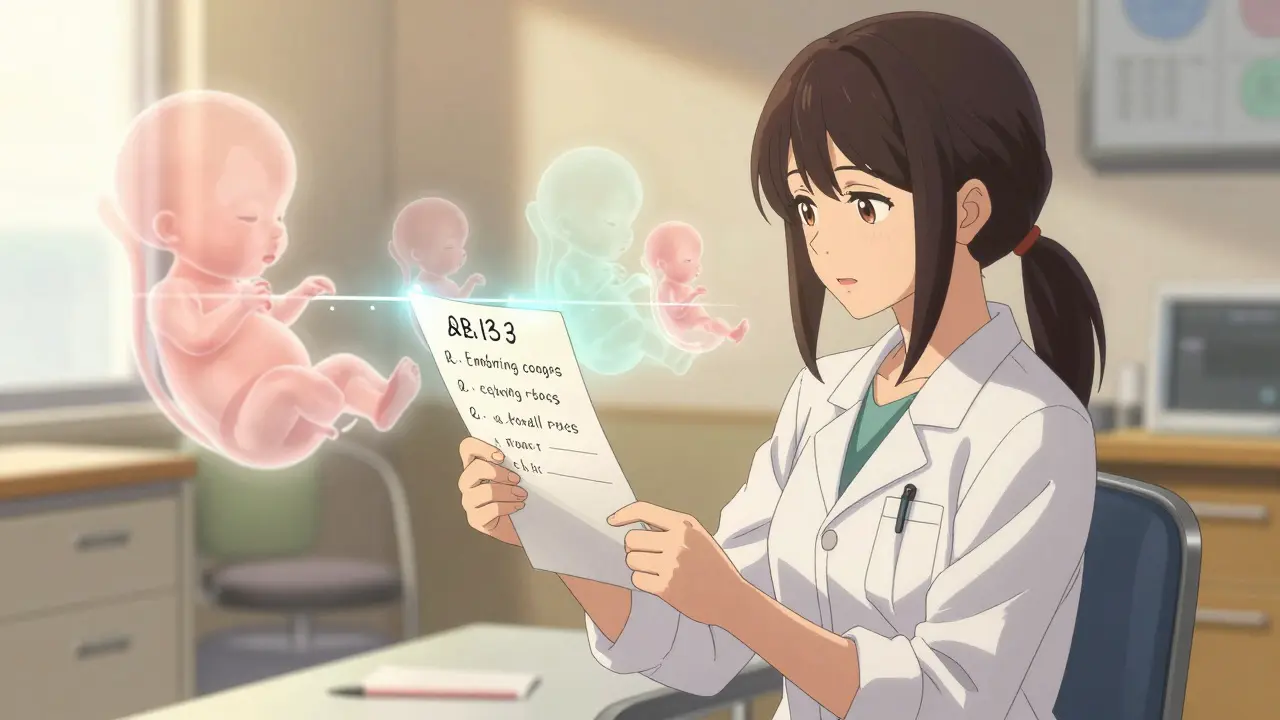
Preconception Medication Counseling: How to Adjust Drugs Before Pregnancy to Protect the Baby
Preconception medication counseling helps women adjust drugs before pregnancy to prevent birth defects. Learn which medications are risky, how to switch safely, and why this step matters-even if you're not trying to get pregnant.
30
Jan
2026
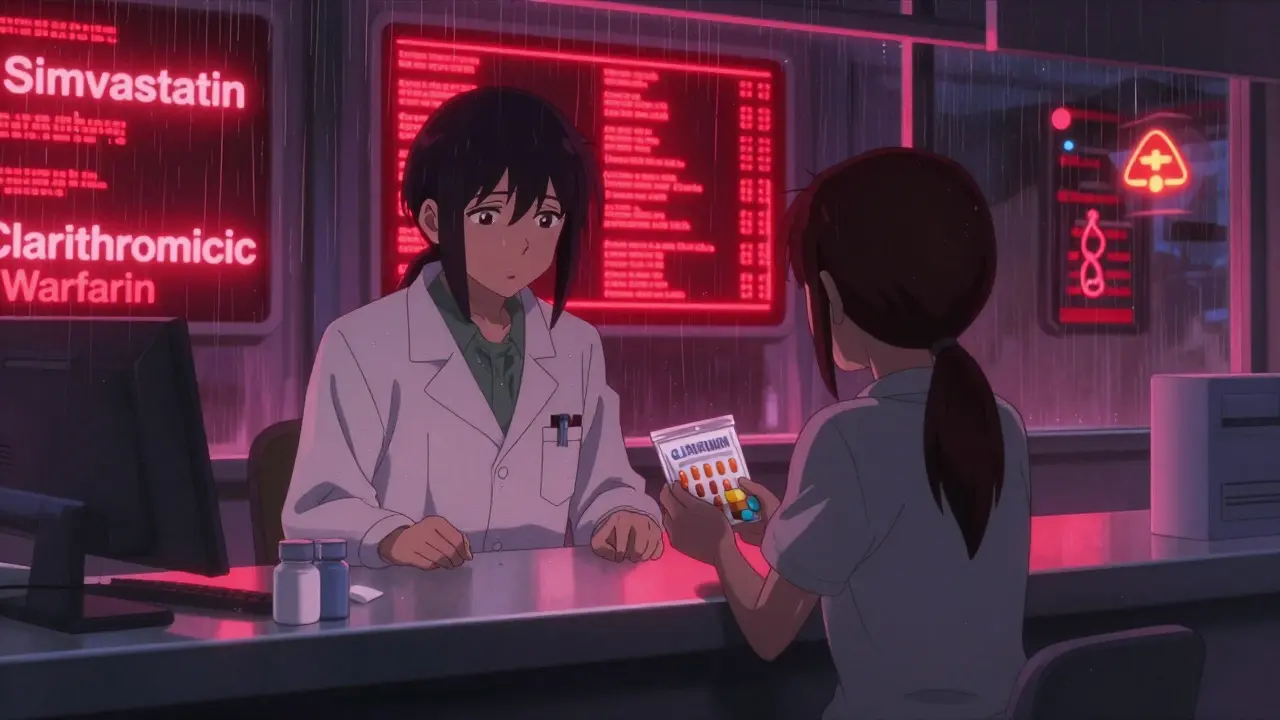
Red Flags in Drug Interactions: Combinations Your Pharmacist Should Question
Dangerous drug interactions kill thousands each year - often because pharmacies miss warning signs. Learn the top deadly combos your pharmacist should question and how to protect yourself.
1
Dec
2025
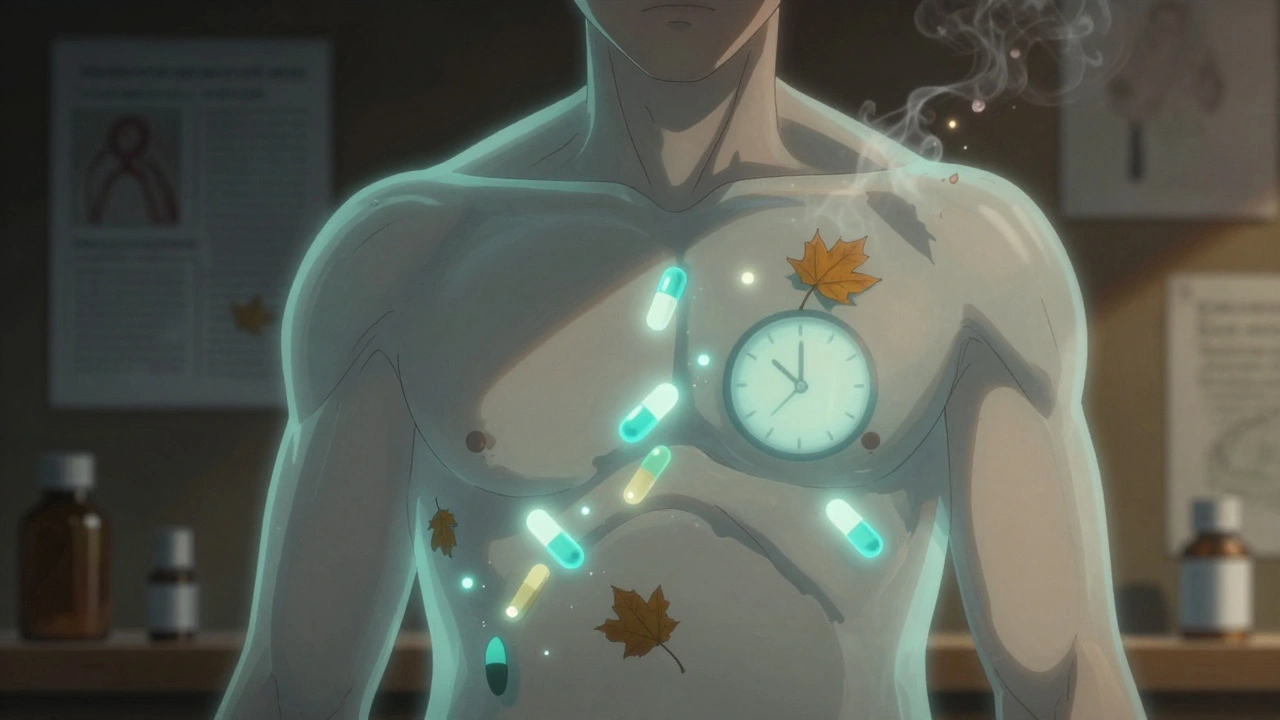
Cumulative Drug Toxicity: How Side Effects Build Up Over Time
Cumulative drug toxicity is when medications slowly build up in your body over time, causing side effects that appear years later. Learn how it happens, who’s at risk, and what you can do to stay safe.
© 2026. All rights reserved.