
Drug-Induced Hypertension: Causes, Risks, and How to Stay Safe
When your blood pressure spikes not because of genetics or lifestyle, but because of a drug-induced hypertension, a rise in blood pressure caused by medications or supplements. Also known as medication-induced high blood pressure, it’s one of the most underdiagnosed problems in men’s health. You might be taking something for ADHD, depression, pain, or even a cold—and not realize it’s quietly pushing your systolic number up by 20 points or more.
This isn’t just about a few extra pills. NSAIDs, common pain relievers like ibuprofen and naproxen can trigger it, especially with long-term use. Stimulants, including ADHD meds like Adderall and Ritalin do the same—raising heart rate and constricting blood vessels. Even decongestants, like pseudoephedrine in cold medicines, are culprits. And if you’re on medroxyprogesterone, a hormone therapy sometimes used for prostate cancer or behavioral issues in men, that too can nudge your numbers higher. These aren’t rare side effects—they’re documented, predictable, and often ignored until damage is done.
What makes it dangerous is how silent it is. You don’t feel your blood pressure climbing. No headache, no dizziness—just a slow, steady rise that strains your heart, kidneys, and arteries over months or years. That’s why people on long-term medications, especially older adults or those with existing heart risks, need regular checks. It’s not enough to just take your pills. You need to ask: Could this be raising my blood pressure? Pharmacovigilance isn’t just for drug companies—it’s for you. Tracking side effects, knowing your baseline numbers, and talking to your pharmacist about interactions can prevent a silent crisis.
The good news? You’re not powerless. Many cases reverse when the trigger is identified and swapped out. Switching from an NSAID to acetaminophen. Choosing a non-stimulant for ADHD. Avoiding decongestants altogether. These aren’t big changes—they’re smart ones. And the posts below break down exactly which drugs are most likely to cause this, who’s most at risk, and what safer alternatives actually work. No fluff. Just clear, practical info to help you take control before your next checkup.
29
Nov
2025
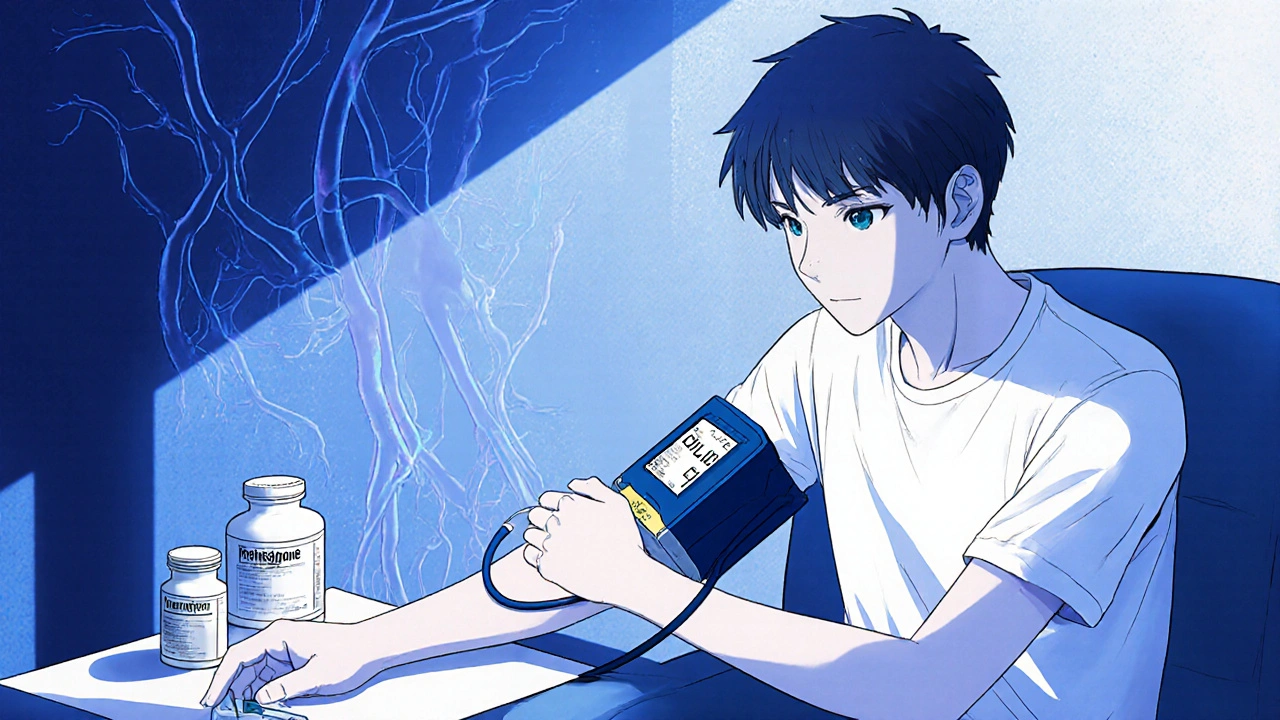
High Blood Pressure Caused by Certain Medications: How to Monitor and Manage It
Certain medications like NSAIDs, corticosteroids, and antidepressants can raise blood pressure silently. Learn how to spot the signs, monitor effectively, and manage it with safer alternatives and lifestyle changes.
© 2026. All rights reserved.