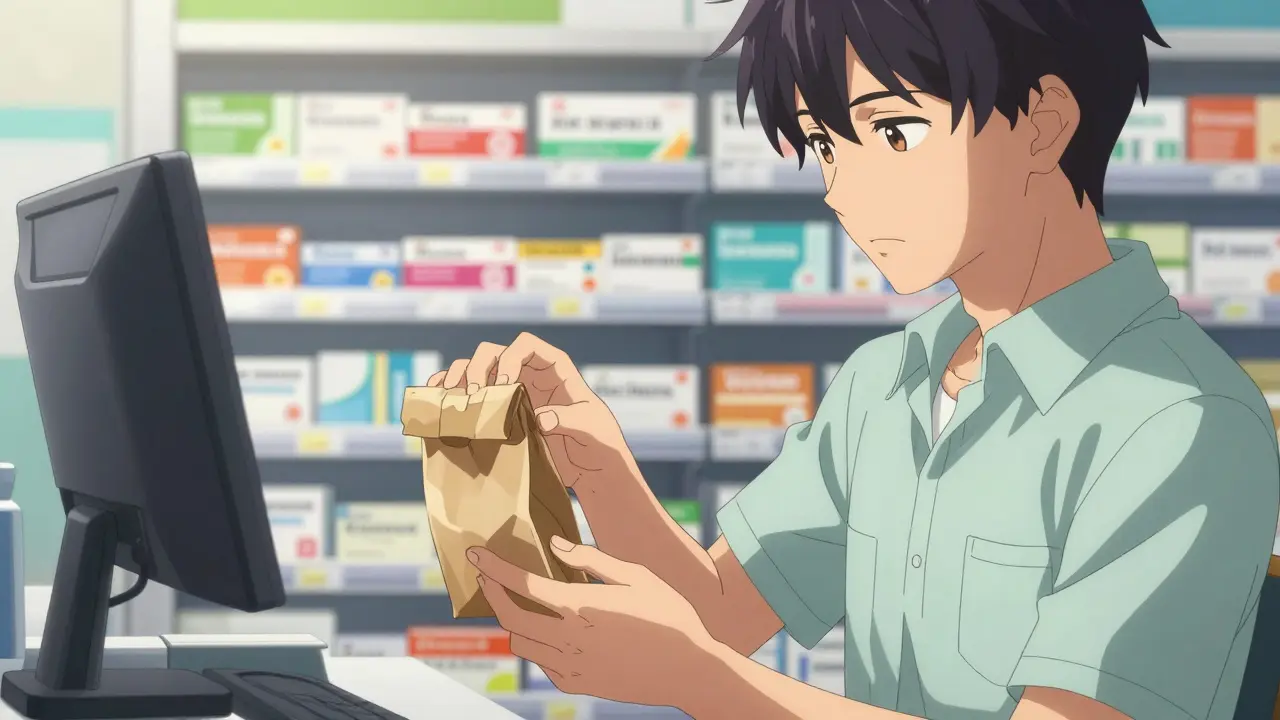
Taking your medication bag home without a quick check might seem harmless, but the statistics tell a different story. Every year, around 1.5 million people suffer from medication errors according to data from the Institute for Safe Medication Practices. That number represents real people who took a wrong dose or the wrong drug because something got mixed up at the counter. As of March 2026, pharmacy protocols have evolved significantly, yet the final layer of safety still rests in your hands when you pick up your prescription.
The Seven-Point Verification Protocol
A structured audit isn't just about glancing at a label; it's a specific seven-point process designed to catch the most common mistakes. Research from the University of California San Francisco shows this method outperforms casual inspection by 83%. Here is exactly what you need to check before walking out the door:
- Patient Name: Verify the name on the bottle matches your legal ID exactly. In 2024, nearly 13% of errors involved the wrong patient due to similar-sounding names.
- Medication Name: Cross-reference both the brand and generic names. Look-alike sound-alike drugs caused nearly 2,000 incidents in 2023 alone.
- Dosage Strength: Check the numbers closely. Is it 5 mg or 50 mg? Strength errors account for roughly one-third of serious dispensing mistakes.
- Quantity: Does the pill count match the script? An extra week of pills might mean you are being underdosed elsewhere.
- Expiration Date: For chronic meds, ensure the expiration is at least six months away, as degradation varies by compound per USP standards.
- Physical Appearance: Compare the color, shape, and imprint on your pill against a reliable image reference.
- Instructions: Confirm the schedule on the label matches what your doctor told you to do.
This checklist acts as your final safety net. While pharmacists conduct rigorous checks, the system benefits from a shared responsibility model. When patients take the time to run through these points, detection rates for potential errors jump to 87%, effectively stopping life-threatening consequences before they leave the building.
Using Technology to Verify Your Medications
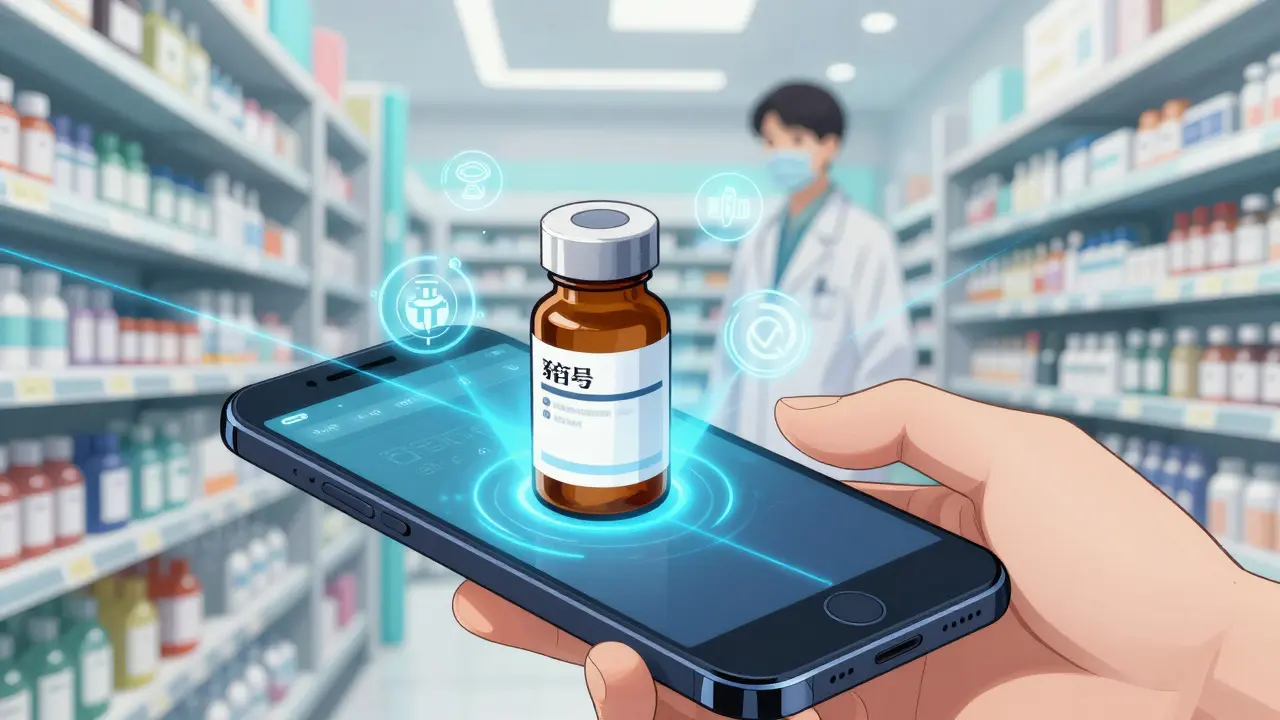
In 2026, technology has become a vital ally in this process. Mobile applications now offer features that streamline what used to be manual work. For instance, MedSafe is a mobile app that provides barcode scanning capabilities. Version 3.2, released earlier this year, can verify National Drug Codes against your prescription record with high accuracy. These tools are particularly helpful for managing complex medication lists.
| Method | Error Detection Rate | Time Required | Best For |
|---|---|---|---|
| Manual 7-Point Audit | 87% | 22-30 seconds | Most patients |
| Barcode Scanner App | 98.7% | 10-15 seconds | Tech-savvy users |
| Casual Glance | 22% | < 15 seconds | Routine refills only |
However, relying solely on apps isn't a silver bullet for everyone. Older adults or those less comfortable with smartphones may find these tools exclusionary. About 40% of seniors prefer paper-based methods or visual confirmation over digital solutions. For those individuals, the traditional brown bag review-checking physical labels against a printed list-remains effective and accessible.
Overcoming Barriers to Effective Auditing
Sometimes, verifying your bag feels harder than it should be. Vision issues, specifically macular degeneration or general aging eyes, make reading tiny print a genuine struggle. One caregiver noted on a safety forum that small print made verification impossible, leading to two near-miss incidents involving wrong pills. Fortunately, pharmacies are adapting. Since early 2024, many major chains have started offering magnifying cards at the checkout counter.
Another hurdle is pharmaceutical terminology. Understanding that "mg" stands for milligrams or deciphering abbreviations can be daunting. To help, the FDA launched the MedCheck initiative last year, providing point-of-care educational materials that translate medical jargon into plain English. These guides explain dosage forms and common instructions simply. If you find the label confusing, ask the staff to verbalize the instructions while you watch them pack the bag.
Shared Responsibility in Medication Safety
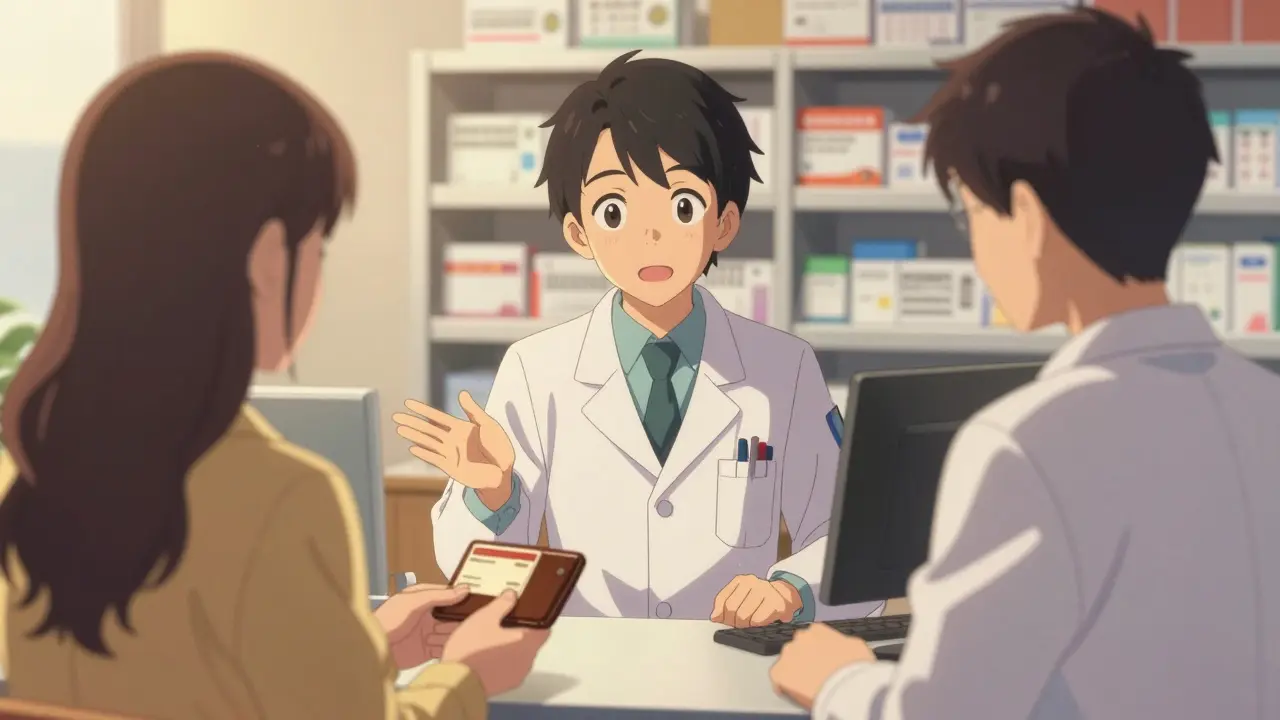
While auditing your own bag is crucial, the dynamic between patient and pharmacist is shifting toward a partnership rather than a hand-off. Regulatory changes, such as California's SB 793 enacted in 2025, require pharmacists to verbally prompt patients to verify their medications. This isn't just bureaucracy; it creates a moment of pause where both parties confirm details simultaneously.
Dr. Michael Cohen from the Institute for Safe Medication Practices emphasizes that patient verification prevents eight out of ten errors that would otherwise reach the patient. However, experts also warn that we shouldn't shift all the burden to consumers. Systemic workflow issues within the pharmacy can cause errors no patient could reasonably detect. The goal is a multi-layered defense where the patient's final check complements the pharmacist's internal controls.
Implementing Your Routine
Making this a habit takes less time than you think. Studies suggest it takes about 30 seconds to perform a thorough check. Start by carrying a wallet-sized card with the seven verification points printed on it. Many health centers provide these for free. Practice during low-stress times, like routine refill pickups, so you build muscle memory before you face a stressful situation like an emergency dispense.
If you are supporting a family member, involve them in the process. Caregivers often manage polypharmacy scenarios with ten or more medications. In these cases, accuracy drops with manual checks, making tools like comprehensive medication management programs essential. Remember, the cost of a mistake far outweighs the thirty seconds spent checking.
Why is it important to check the expiration date?
Medications degrade over time, affecting potency and safety. For chronic conditions, verifying the date ensures you have enough stable supply before it becomes ineffective.
What if the label doesn't match my expectations?
Stop immediately. Do not take the medication. Ask the pharmacist to double-check the prescription against their records and your doctor's instructions.
Can I trust mobile apps for medication verification?
Approved apps like MedSafe have high accuracy, but they should complement, not replace, manual label verification. They work best alongside human oversight.
What should I do if I have trouble reading the label?
Request large-print labels or magnification tools. Ask the pharmacist to read the instructions aloud to you before you leave the counter.
Is checking the medication bag legally required?
While laws vary by region, safety guidelines strongly recommend it. In some jurisdictions, pharmacists are now legally required to prompt you to verify.