
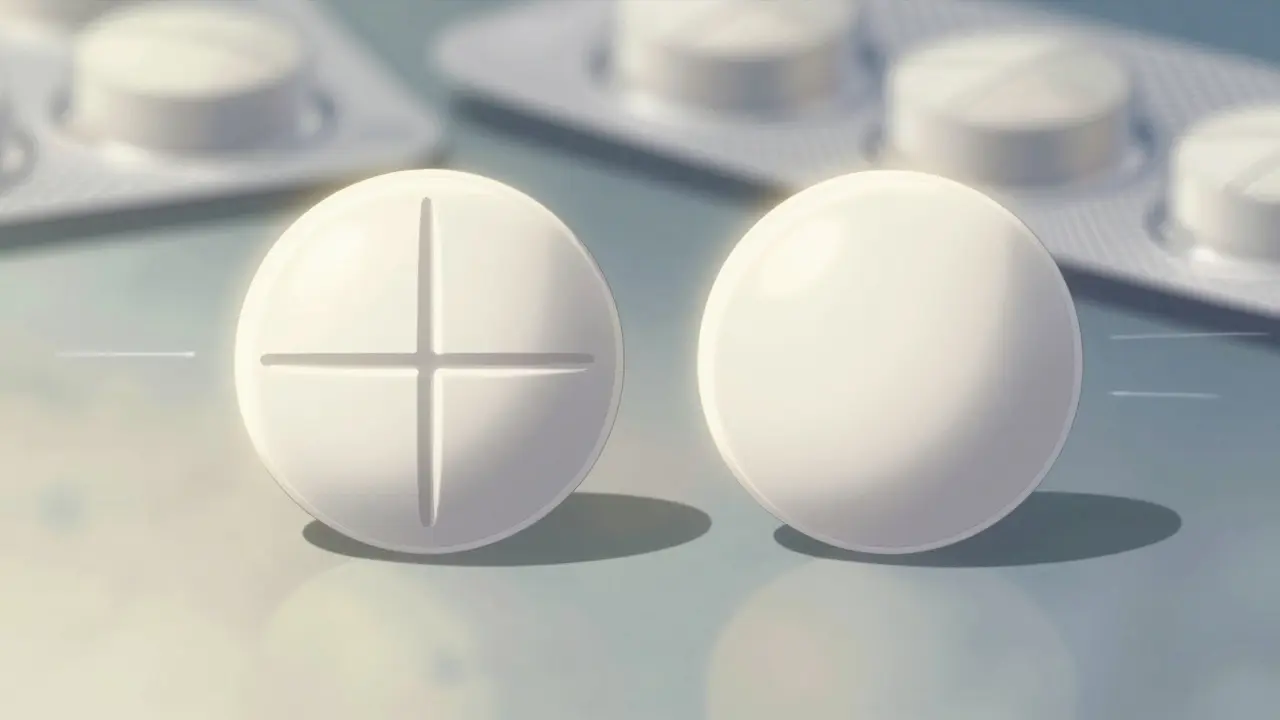
When your doctor prescribes a medication, you might be handed a pill that looks nothing like the brand-name version you’ve seen in ads. That’s because it’s a generic. But not all generics are the same. Some are authorized generics, others are traditional generics. And the difference between them can matter more than you think - especially if you’re taking a drug where even small changes in ingredients affect how well it works.
What Exactly Is an Authorized Generic?
An authorized generic is the exact same drug as the brand-name version - same active ingredients, same inactive ingredients, same size, same color, same shape. The only difference? It doesn’t have the brand name on the label.It’s made by the same company that makes the brand-name drug, using the same factory, same equipment, same quality control. Think of it like buying a Coca-Cola bottled by Coca-Cola but sold under a store brand label. The liquid inside is identical.
Authorized generics enter the market under the original brand’s FDA-approved New Drug Application (NDA). That means they don’t need their own separate approval. The brand company simply notifies the FDA they’re selling the same drug without the brand name. Because of this, authorized generics aren’t listed in the FDA’s Orange Book - the official directory of approved generic drugs.
How Traditional Generics Are Different
Traditional generics are made by different companies - usually other drug manufacturers who want to compete on price. They don’t use the brand’s formula. Instead, they create their own version that’s bioequivalent to the brand.That means the active ingredient is the same, and the body absorbs it at the same rate and amount. But the inactive ingredients? Those can be different. Things like fillers, dyes, preservatives, and coatings can vary. For most people, this doesn’t matter. But for some drugs - especially those with a narrow therapeutic index (where tiny changes in dose can cause big effects) - those small differences can lead to noticeable changes in how the drug works.
Traditional generics go through the Abbreviated New Drug Application (ANDA) process. That’s cheaper and faster than the full approval needed for brand drugs, but it still requires proof of bioequivalence. Once approved, they show up in the FDA’s Orange Book, so pharmacists can easily identify them.
Why the Composition Matters
For most medications - like antibiotics, blood pressure pills, or cholesterol drugs - the difference between authorized and traditional generics is negligible. Your body doesn’t care if the tablet has cornstarch or lactose as a filler. But for certain drugs, those inactive ingredients matter a lot.Take asthma inhalers or seizure medications. If the coating on a pill changes, it might dissolve too slowly or too fast. That can mean the drug doesn’t reach the right level in your bloodstream. Patients with epilepsy, thyroid conditions, or heart rhythm disorders often report issues when switching between different generic versions. That’s why many doctors and pharmacists prefer authorized generics for these types of drugs - because there’s zero variation from the original.
One real-world example is montelukast (Singulair). The authorized generic contains the exact same formula as the brand. Many patients who switched to a traditional generic reported reduced effectiveness - symptoms returned, nighttime coughing came back. When they switched back to the authorized generic, things improved. That’s not because the active ingredient changed. It’s because the inactive ingredients affected how the drug was absorbed.
When Do These Generics Hit the Market?
Traditional generics usually come to market after the brand’s patent expires. Sometimes, the first company to file for generic approval gets 180 days of exclusive rights to sell it - a big incentive to challenge patents.Authorized generics can show up at any time. In fact, brand companies sometimes launch them before the patent expires. Why? To compete with the upcoming traditional generics. By doing this, they keep some of the market share and prevent traditional generics from dominating the price landscape.
This creates a strange situation: the brand company is now selling a version of its own drug at a lower price. It’s not a betrayal - it’s a business strategy. And for consumers, it means more competition and potentially lower prices, even before the traditional generic arrives.
Cost and Insurance Coverage
Authorized generics are often cheaper than the brand-name drug - sometimes by 30% to 50%. But they’re not always cheaper than traditional generics. Sometimes they’re priced the same. It depends on the manufacturer’s strategy.Insurance companies usually prefer generics over brand-name drugs. But they don’t always distinguish between authorized and traditional. Many formularies list “generic” as one category. That means your plan might cover either, but you won’t know which one you’re getting unless you check the label or ask your pharmacist.
Some insurers are starting to differentiate. For example, if you’re on a drug like cyclosporine (used after organ transplants), your plan might require you to use the authorized generic because of the risk of rejection if the traditional version behaves differently.
How to Tell Which One You’re Getting
This is the tricky part. Authorized generics don’t appear in the Orange Book, so pharmacists can’t always tell just by looking at a database. The drug might look identical to the brand, but without the brand name on it, you won’t know unless you ask.Check the pill imprint. If it matches the brand-name version exactly, it’s likely an authorized generic. If it’s a different shape, color, or has different letters/numbers stamped on it, it’s probably a traditional generic.
Ask your pharmacist: “Is this an authorized generic?” They can check the manufacturer’s name. If it’s the same company that makes the brand, it’s authorized. If it’s a different company - like Teva, Mylan, or Sandoz - it’s traditional.
Some pharmacies now label prescriptions with “AG” for authorized generic. But not all do. Don’t assume.
What Your Doctor Can Do
If you’ve had issues switching between generics - whether it’s side effects, reduced effectiveness, or just feeling “off” - talk to your doctor. You can ask them to write “DAW” (Dispense As Written) or “do not substitute” on your prescription.This forces the pharmacy to give you exactly what’s written. If you want the authorized generic, ask your doctor to write the brand name. That way, if the pharmacy dispenses the authorized generic, you’ll get the exact same drug. If you want to avoid the brand entirely, ask for the traditional generic by name.
For high-risk medications - like warfarin, levothyroxine, or anti-seizure drugs - many doctors automatically write “DAW” to avoid any risk of switching.
The Bigger Picture: Why This Matters
The U.S. generic drug market is worth over $120 billion. Most of that comes from traditional generics. But authorized generics are growing fast. Between 2010 and 2020, over 200 authorized generics were launched - mostly for oral solid drugs like pills and capsules.Why now? Because brand companies are fighting back. When a traditional generic enters the market, prices can drop 80% or more. Authorized generics let the original maker stay in the game - offering a lower-priced version while keeping control over quality and supply.
For patients, this means more options. But it also means more confusion. You might think you’re getting the same thing every time, but you’re not. And if you’re on a drug where small changes matter, that confusion can hurt your health.
The FDA has started publishing a list of authorized generics, but it’s not yet comprehensive. Until that changes, the burden falls on you and your pharmacist to know what you’re taking.
Bottom Line: What Should You Do?
- If you’re on a simple medication (like ibuprofen or metformin), either type of generic is fine. Save your money. - If you’re on a drug with a narrow therapeutic index (thyroid, epilepsy, heart rhythm, immunosuppressants), ask for the authorized generic. It’s the safest bet. - Always check the pill’s appearance. If it changes unexpectedly, ask your pharmacist why. - Don’t assume all generics are equal. Authorized generics are the brand in disguise. Traditional generics are close, but not identical. - Talk to your doctor and pharmacist. They’re your best allies in navigating this system.Generic drugs saved the U.S. healthcare system hundreds of billions of dollars. But not all savings come without trade-offs. Knowing the difference between authorized and traditional generics gives you real power - not just to save money, but to protect your health.

12 Comments
Juan Reibelo
January 24, 2026 AT 03:52Just got prescribed montelukast last month, and I swear I felt like a zombie on the generic from CVS. Switched to the authorized version after my pharmacist mentioned it-suddenly I could sleep through the night without coughing. No joke, it’s like night and day. I didn’t even know this stuff existed until now.
Sharon Biggins
January 25, 2026 AT 15:57Thank you for this!! I’ve been scared to switch generics for my thyroid med for years, but I never knew why. Now I’m gonna ask my doc to write DAW. You’re a lifesaver 😊
John McGuirk
January 27, 2026 AT 11:57They’re lying to you. Authorized generics? More like corporate collusion. The FDA’s been bought off. Big Pharma lets their own generics in first so they can control the narrative AND the price. You think you’re saving money? You’re just being fed the same drug with a different label. Wake up.
Michael Camilleri
January 28, 2026 AT 20:50People don’t realize that medicine is just another commodity now. We’ve traded health for efficiency. The body isn’t a machine you can swap parts in and out. That’s why so many people feel off after switching. The system doesn’t care if you’re suffering as long as the spreadsheet balances
lorraine england
January 29, 2026 AT 01:18My pharmacist actually told me last week that my new generic was an authorized one. I had no idea they could do that. So weird that the same company makes both. I always thought generics were totally different companies. Thanks for clarifying!
Phil Maxwell
January 29, 2026 AT 23:46Yeah I’ve noticed my blood pressure med looks different every time I refill. Never thought twice about it until now. Guess I’ll start checking the imprint next time.
Shelby Marcel
January 31, 2026 AT 11:24wait so if its the same stuff why does it cost less? like how does that even work??
Josh McEvoy
January 31, 2026 AT 22:18My niece had a seizure last year after they switched her meds to a cheap generic. She’s fine now but I’ll never trust another generic again. 😭
Heather McCubbin
February 2, 2026 AT 01:58They don’t want you to know this because if you did you’d stop buying their crap. The FDA is a joke. They approve anything as long as it’s close enough. People are dying because they can’t afford the real thing and the fake ones don’t work the same
Shanta Blank
February 3, 2026 AT 15:59Authorized generics are the only reason I’m still alive. My transplant doc made me switch from the traditional generic to the authorized one after my creatinine levels went haywire. I cried when I realized I’d been getting a knockoff version of my life-saving drug. The difference? Night and day. Literally.
Tiffany Wagner
February 4, 2026 AT 14:13I’ve been on levothyroxine for 12 years. I switched to the authorized generic last year and my energy finally came back. I didn’t even know I was tired until I wasn’t anymore. So glad I asked.
Chloe Hadland
February 5, 2026 AT 03:48This is the most helpful thing I’ve read all year. I’m printing this out and taking it to my next appointment. Thank you so much for explaining it so clearly 💛