
Antihistamine Safety Checker for Seniors
Check if a medication contains dangerous first-generation antihistamines that increase fall and confusion risks in seniors. Enter the medication name or active ingredient to see safety status.
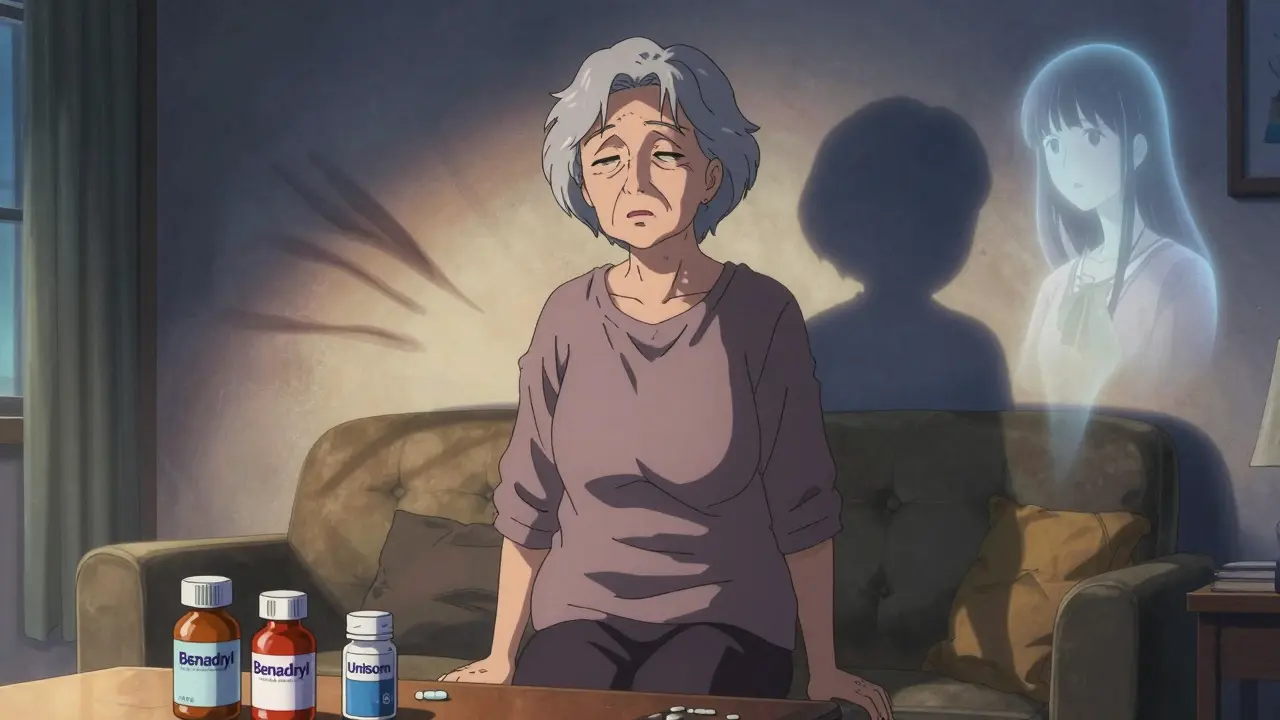
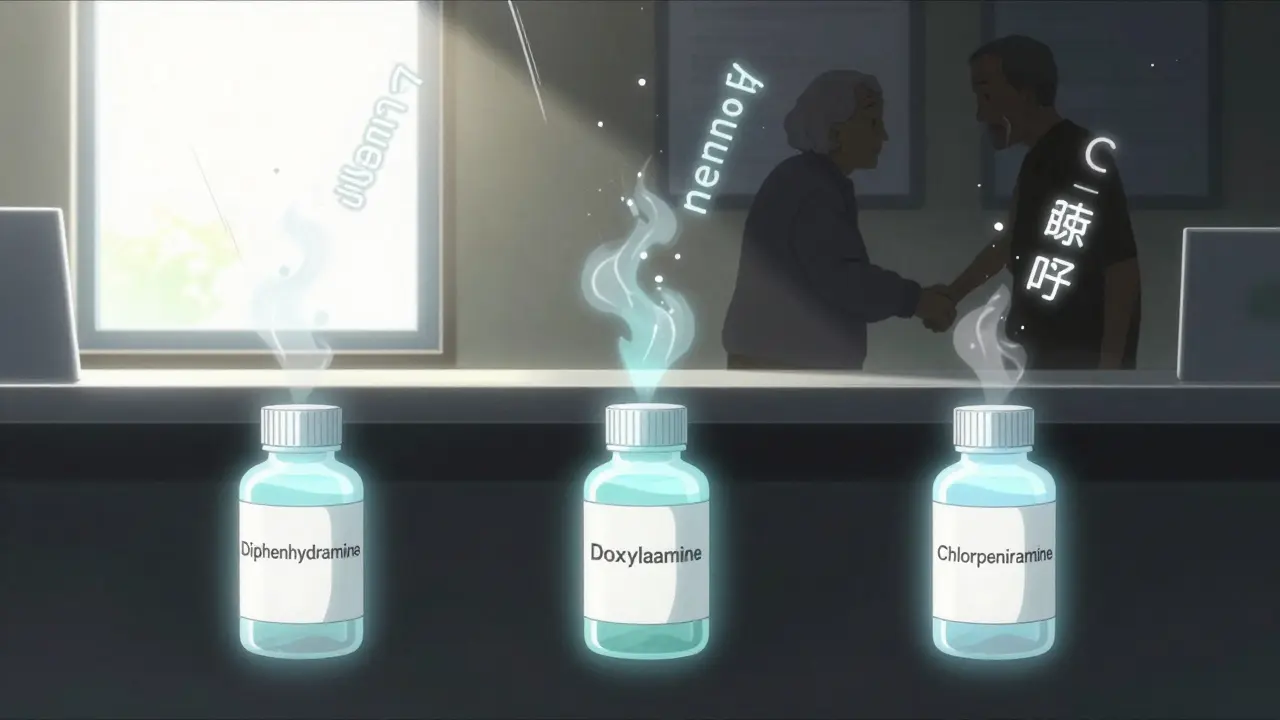
Many older adults reach for over-the-counter sleep aids or allergy pills like Benadryl or Unisom without realizing they’re taking a medication that can seriously harm their brain and balance. First-generation antihistamines-such as diphenhydramine (a sedating antihistamine commonly found in Benadryl and nighttime cold medicines), doxylamine (the active ingredient in Unisom SleepTabs), and chlorpheniramine (used in many allergy tablets)-are still widely sold and used by seniors, even though they carry well-documented dangers. These drugs don’t just relieve sneezing or help you sleep. They can trigger confusion, falls, memory loss, and even increase the long-term risk of dementia.
Why Elderly Patients Are More Sensitive
As people age, their bodies change in ways that make them far more vulnerable to certain drugs. One key factor is how the brain handles chemicals. Older adults produce less acetylcholine (a neurotransmitter critical for memory, focus, and muscle control). First-generation antihistamines block muscarinic receptors, which are the same receptors acetylcholine uses. When you block what’s already running low, the brain struggles even more. This isn’t just theory-it’s measurable. A 2018 meta-analysis of five studies found that seniors using these medications had more than double the risk of falling or breaking a bone compared to those who didn’t. That’s not a small risk. It’s a major safety issue.
These drugs also cross the blood-brain barrier easily because they’re fat-soluble. That means they flood the brain, not just the nose or throat. The result? Sedation, dizziness, blurred vision, and mental fog that can last into the next day. One caregiver on AARP’s forum described her 78-year-old mother suddenly becoming disoriented after taking Benadryl for allergies: "She started packing her bags to go home-even though she’d lived in that house for 40 years." That’s not a one-off story. GoodRx data from 2023 shows nearly 3 in 10 elderly users reported confusion after taking first-gen antihistamines. In geriatric clinics, nurses report seeing two to three cases per month of acute confusion tied directly to these medications.
The Difference Between First-Gen and Second-Gen
Not all antihistamines are the same. Second-generation options like cetirizine (Zyrtec), loratadine (Claritin), and fexofenadine (Allegra) were designed differently. They’re more polar, less fat-soluble, and can’t easily enter the brain. That’s why they don’t cause the same level of drowsiness or cognitive slowing. Studies show these drugs have almost no link to falls or confusion in older adults. In fact, they work just as well for allergies without the brain fog.
Here’s the catch: first-gen antihistamines are still everywhere. They’re in nighttime pain relievers, cold syrups, and sleep aids. Many seniors don’t realize they’re taking them. A 2023 study found that over one-third of Americans 65 and older still use first-gen antihistamines regularly, and nearly one in five use them daily. That’s despite the Beers Criteria (a widely respected list of potentially harmful medications for older adults, updated by the American Geriatrics Society in 2019) explicitly calling them inappropriate for seniors since 1991.

Real-World Consequences
The risks aren’t just theoretical. A 2015 study in JAMA Internal Medicine followed 800 older adults for seven years. Those who took anticholinergic drugs-including first-gen antihistamines-for three years or more had a 54% higher risk of developing dementia than those who used them for less than three months. That’s not a coincidence. It’s a pattern. The same drugs that make you sleepy can slowly dull your thinking.
And it’s not just dementia. The peripheral effects are just as troubling. Dry mouth, constipation, urinary retention, and blurred vision are all classic signs of anticholinergic toxicity. Elderly patients often mistake these for aging itself. But they’re not. They’re drug side effects. One nurse practitioner on Reddit described a patient admitted with "anticholinergic delirium"-a state of acute confusion, hallucinations, and agitation-after taking a sleep aid with doxylamine. The patient improved within 72 hours of stopping the drug. That’s reversible. But how many people never make the connection?
What Should You Do Instead?
If you or a loved one is using diphenhydramine or doxylamine for allergies or sleep, it’s time to talk to a doctor. The safest alternatives are clear:
- Loratadine (Claritin): 10 mg once daily. Minimal sedation, no cognitive impact.
- Cetirizine (Zyrtec): 5 mg once daily. Slightly more sedating than loratadine, but still far safer than first-gen options.
- Fexofenadine (Allegra): 60 mg twice daily. Non-sedating, no brain penetration.
For sleep issues, don’t reach for an antihistamine. Talk to your doctor about non-drug options like sleep hygiene, melatonin (at low doses), or even cognitive behavioral therapy for insomnia. For allergies, try saline nasal sprays, HEPA filters, or allergen-proof bedding. These don’t carry any risk of confusion or falls.
How to Protect Yourself and Loved Ones
Many seniors take these medications without knowing the risks. Here’s how to act:
- Check all labels. Look for "diphenhydramine," "doxylamine," or "PM" on pain relievers, cold medicines, and sleep aids. Even if it’s labeled "natural" or "herbal," it might contain them.
- Review all medications quarterly. Ask your pharmacist or doctor to do a full medication review. They can spot hidden anticholinergics.
- Ask for alternatives. If you’re prescribed or recommended a first-gen antihistamine, ask: "Is there a second-generation option?" The answer should be yes.
- Watch for signs. If an older person becomes unusually confused, unsteady, or forgetful after starting a new OTC medicine, stop it and call a doctor.
Healthcare systems are starting to take notice. Medicare now tracks anticholinergic use in nursing homes. Facilities with more than 5% of residents on these drugs get lower quality ratings. But change is slow. The FDA hasn’t forced stronger warnings on labels, though manufacturers added voluntary caution statements in 2020. Meanwhile, the American Geriatrics Society’s "Avoid Anticholinergics After 65" campaign has already cut inappropriate prescriptions by 12% since 2021.
The bottom line? These drugs aren’t harmless. For older adults, they’re dangerous. The science is clear. The alternatives are safe. The choice isn’t between sleeping better or staying alert-it’s between safety and risk. And the safer option is right in front of you.
Are all antihistamines dangerous for seniors?
No. Only first-generation antihistamines like diphenhydramine and doxylamine carry high risks. Second-generation options such as cetirizine (Zyrtec), loratadine (Claritin), and fexofenadine (Allegra) are much safer. They don’t cross into the brain the same way, so they don’t cause confusion, dizziness, or memory problems. For allergy relief in older adults, these are the standard of care.
Can I still use Benadryl if I take it occasionally?
Even occasional use can be risky. A single dose of diphenhydramine can cause next-day drowsiness, impaired balance, and confusion-especially in people over 65. Studies show that just one fall can lead to serious injury, hospitalization, or even death in older adults. There’s no safe "occasional" threshold when the risk is this high. It’s better to avoid it entirely and use a safer alternative.
Why aren’t these drugs banned if they’re so dangerous?
They’re still available over-the-counter because they’re effective for short-term use in younger people. The FDA doesn’t ban OTC drugs unless they’re unsafe for everyone. But geriatric experts agree they’re inappropriate for seniors. The American Geriatrics Society has listed them as "potentially inappropriate" since 1991. The problem is awareness-many seniors and even some doctors don’t realize the risks.
What about using antihistamines for sleep?
Don’t. First-generation antihistamines like doxylamine are marketed as sleep aids, but they don’t improve sleep quality-they just make you drowsy. That drowsiness wears off unevenly, leaving you groggy the next day. Worse, they disrupt natural sleep cycles and can worsen confusion over time. For sleep issues in older adults, non-drug methods like consistent bedtime routines, avoiding screens before bed, and light therapy are safer and more effective long-term.
How do I know if a medicine contains a first-generation antihistamine?
Check the "Active Ingredients" section on the Drug Facts label. Look for: diphenhydramine, doxylamine, chlorpheniramine, hydroxyzine, or promethazine. These are often hidden in "nighttime," "PM," or "sleep aid" versions of cold and pain medications. If you see "PM" on the bottle, it almost certainly contains one of these drugs.
Next Steps
If you’re caring for an older adult, start by checking their medicine cabinet. Look for any OTC products with diphenhydramine or doxylamine. Replace them with loratadine, cetirizine, or fexofenadine. Talk to their doctor about switching. If they’re already confused or unsteady after starting a new OTC drug, stop it and call a provider. This isn’t about avoiding medication-it’s about choosing the right one. The safest choice is often the one that doesn’t touch the brain at all.

14 Comments
Amadi Kenneth
March 20, 2026 AT 11:49I've seen this before-Benadryl isn't the problem, it's the government! They want you dependent on big pharma's expensive second-gen drugs so they can track your brainwaves through your phone. I stopped taking anything after my neighbor's cat started acting weird... and now I use garlic and apple cider vinegar. Works better than any pill. And don't get me started on the FDA-they're in bed with Merck. Always have been.
Shameer Ahammad
March 21, 2026 AT 09:04It is a matter of profound concern that so many elderly individuals continue to ingest first-generation antihistamines, despite the overwhelming empirical evidence demonstrating their deleterious effects on cognitive function and neuromuscular coordination. The persistence of these medications in over-the-counter formulations reflects a systemic failure in public health education. One must ask: why are regulatory bodies not enforcing stricter labeling requirements? The moral responsibility lies with both manufacturers and prescribers.
Alexander Pitt
March 22, 2026 AT 08:54This post nails it. I'm a geriatric pharmacist and see this every single week. Elderly patients come in saying, 'I took my Benadryl to sleep'-and then they fall in the bathroom. No one tells them it's the drug. The science is settled. Zyrtec or Claritin for allergies. Melatonin for sleep. Simple. Safe. Effective. No need for brain fog.
Manish Singh
March 22, 2026 AT 23:28I grew up in India where grandmas used to take antihistamines for everything-cold, sleep, even anxiety. We didn't know better. But now I see how dangerous it is. My uncle had a fall after taking Unisom. He was fine after switching to Allegra. The real tragedy? No one warned him. It's not about being scared-it's about being informed. We need to talk to our elders like they're people, not patients.
Nilesh Khedekar
March 24, 2026 AT 11:11u think this is bad? wait till u find out that the real reason they dont ban benadryl is because it helps big pharma make more money off the dementia meds later. its all connected. my cousin took it for 10 years and now shes on 7 pills a day. the system is rigged. also dont trust doctors-they get kickbacks. just ask anyone on reddit.
Robin Hall
March 24, 2026 AT 19:13The institutionalized suppression of dissenting scientific viewpoints regarding anticholinergic burden in geriatric populations is both alarming and deeply concerning. One must consider the possibility that the FDA's voluntary labeling changes are not driven by patient safety, but rather by corporate lobbying. The absence of mandatory black-box warnings suggests a deliberate obfuscation of risk. This is not medicine. This is policy.
jared baker
March 25, 2026 AT 01:51Just check the label. If it says 'PM' or 'sleep aid'-it's diphenhydramine or doxylamine. Swap it for Claritin or Zyrtec. Done. No need to overthink it. I've helped three elderly neighbors do this. All of them said they felt clearer within a week. Simple fix. Why isn't this on every pharmacy shelf?
Michelle Jackson
March 26, 2026 AT 22:58I swear, every time someone says 'it's just an OTC drug' I want to scream. These aren't harmless. My mom went from 'I'm fine' to 'Who are you?' in 48 hours after taking a cold medicine with doxylamine. She thought she was going to 'pack her bags' like in the article. I cried for three days. And then I found out her doctor had prescribed it. No one asked if she was over 65. No one cared. It's not negligence. It's negligence with a smile.
Andrew Mamone
March 27, 2026 AT 23:48I'm so glad this is getting attention. I used to work in a memory clinic and saw patients whose confusion cleared up within days after stopping first-gen antihistamines. It's heartbreaking how many families blame aging instead of medication. The alternatives are not just safer-they're better. People think 'natural' means 'safe' but natural doesn't mean 'non-toxic.' Benadryl is a poison for the aging brain. Period.
MALYN RICABLANCA
March 29, 2026 AT 06:15Let me tell you something-this isn't about medicine. This is about the erosion of autonomy. The system wants seniors to be passive. To be confused. To be dependent. They don't want you questioning your meds. They want you to keep buying 'sleep aids' while the dementia industry rakes in billions. And don't get me started on the way they hide 'PM' on bottles like it's a secret code. It's psychological warfare. My aunt was a nurse. She saw it. She cried. And now she's on Zyrtec. But she still doesn't trust anyone.
gemeika hernandez
March 31, 2026 AT 05:21I used to take Benadryl all the time. I'm 72. I thought it helped me sleep. Then I started forgetting my grandkids' names. I thought I was getting old. Turns out? It was the drug. I switched to Claritin. I haven't felt this clear-headed in 10 years. Why didn't anyone tell me? I'm not mad. I'm just… shocked. Like, how is this still legal?
Emily Hager
April 1, 2026 AT 20:55You're all missing the point. This isn't about antihistamines. It's about control. Who benefits when seniors are confused? Who controls their finances? Who gets guardianship? The pharmaceutical industry doesn't care if you fall-they care if you're dependent. And let's be honest-most of you are too scared to question your doctor. That's why this keeps happening.
Melissa Starks
April 3, 2026 AT 20:39I work with seniors every day. I've held hands while they cried because they couldn't remember their wedding day. And you know what? Half the time, it started with a little 'sleep aid' from the drugstore. I don't judge. I help. I teach. I show them the labels. I say, 'This one? It's the one that steals your memory.' And they listen. Because they want to remember. We all do. You're not alone. We're here. And we're changing this.
Lauren Volpi
April 4, 2026 AT 00:22America is soft. We treat old people like fragile glass. In my country, we just told grandpa to toughen up. He took his Benadryl, fell, got up, kept going. Now we're all on 'safe' meds? We're turning seniors into toddlers. You want to protect them? Teach them to be strong. Not give them a pill that makes them forget who they are.